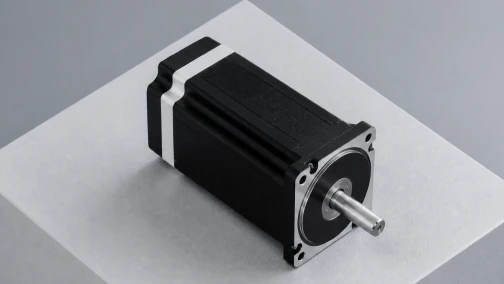

The Engineering Demands of Textile Automation
Textile manufacturing requires continuous high-speed operation, precise multi-axis synchronization, and absolute reliability in challenging environments. The industry has entirely transitioned from central mechanical line shafts to independent motorized axes. This electronic gearing approach dictates the performance, flexibility, and throughput of modern spinning, weaving, knitting, and finishing equipment. Selecting the correct motor and drive for each specific mechanism determines the machine's speed limit, yarn quality, and long-term maintenance requirements.
For builders of textile machinery, the drive train must handle continuous duty cycles, high ambient temperatures, and environments filled with conductive dust or airborne lint. Cymotorix engineers and supplies industrial motion control packages tailored to these conditions. This technical solution guide details how to specify, size, and implement servo motors and stepper motors across different textile manufacturing processes to achieve stable, high-yield production.
Motor Selection by Textile Machine Function
The physical requirements of textile processing vary significantly between stages. Below is a detailed breakdown of common textile machinery functions and the criteria that drive actuator selection.
Spinning and Drafting Frames
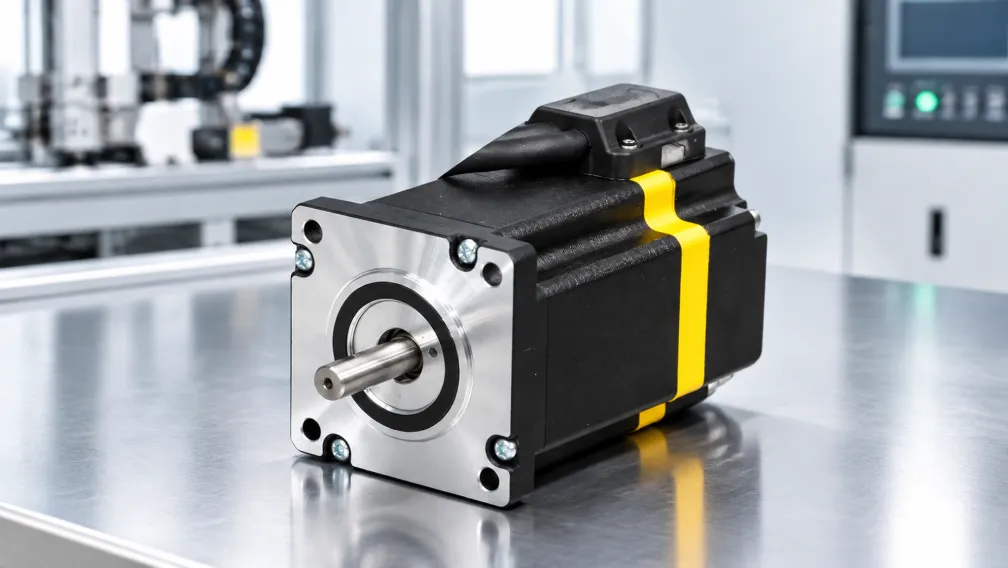
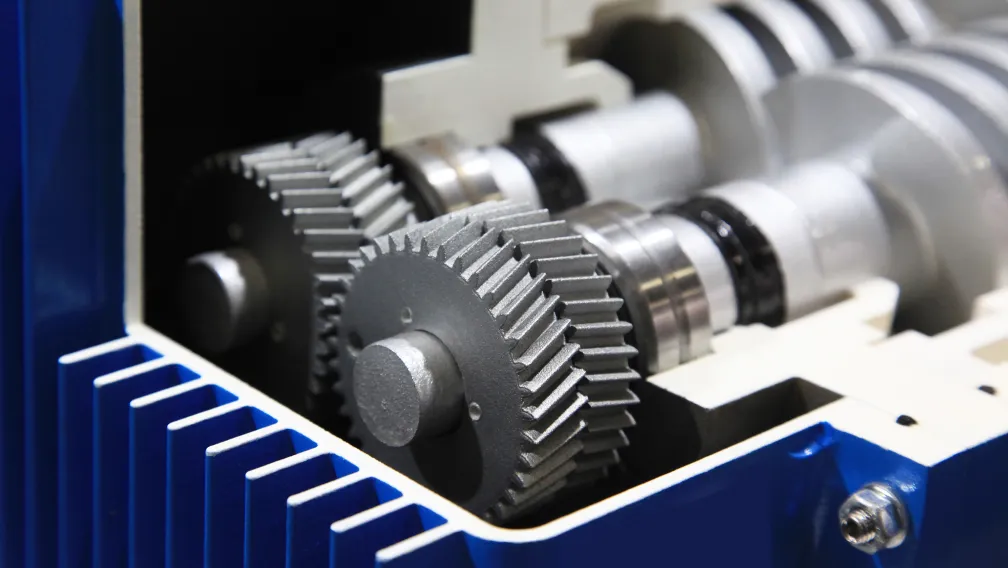
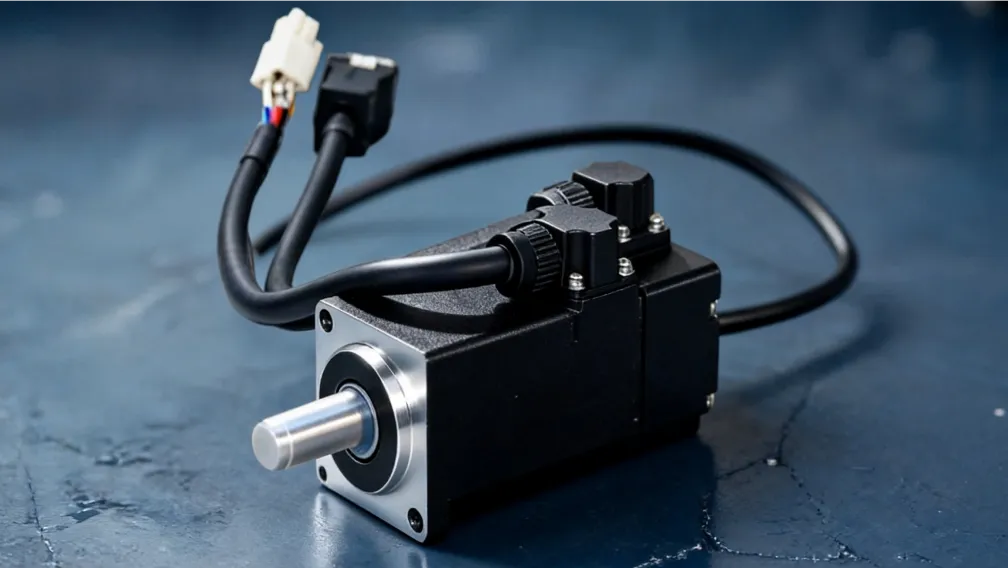
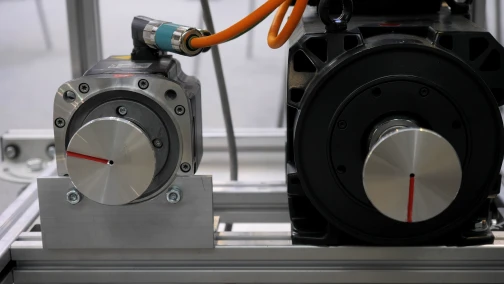
Drafting frames draw out sliver into yarn by passing it through successive pairs of rollers rotating at increasing speeds. The draft ratio, which determines the final yarn count, depends entirely on the exact velocity differential between these roller pairs. Motor velocity ripple directly causes variations in yarn thickness. These axes require AC servo motors with high-resolution encoders to maintain rigid speed regulation. Because these machines run continuously for days, sizing must strictly adhere to the continuous RMS torque rating rather than peak capacity. A 130 mm to 180 mm servo frame is typical for main drafting rollers, integrated with a precision planetary gearbox to eliminate backlash.
Yarn Winding and Tensioning
Winding machines transfer yarn onto cones or bobbins for downstream processing. The critical parameter here is maintaining constant yarn tension as the package diameter grows. The traverse guide, which lays the yarn onto the package, requires rapid, reciprocating linear motion. Traverse guides often utilize specialized low-inertia servo motors or high-speed closed loop stepper motors to achieve the necessary reversal frequencies without overheating. Tensioning devices utilize small-frame (40 mm to 60 mm) servos operating in torque mode, adjusting output dynamically based on feedback from inline tension sensors.
Weaving Looms: Let-off, Take-up, and Shedding
Modern air-jet, water-jet, and rapier looms operate at extreme speeds, often exceeding 1,000 picks per minute. The primary axes include:
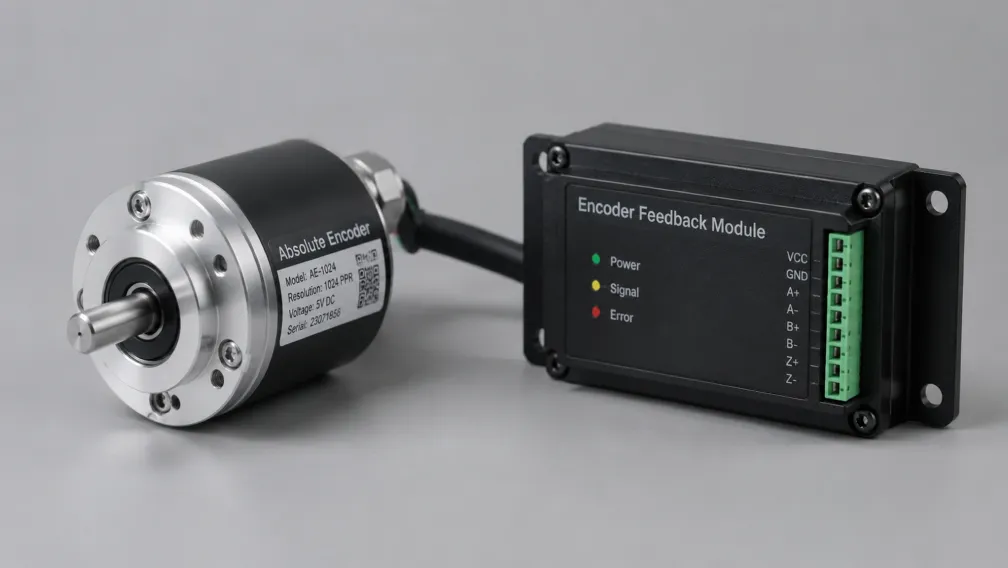
- Electronic Let-off and Take-up: These axes unroll the warp yarn and spool the woven fabric. They must maintain exact warp tension regardless of beam diameter. Servo motors ranging from 80 mm to 130 mm are standard, requiring continuous torque and absolute encoders to retain position after power loss.
- Electronic Shedding: The shedding mechanism lifts and lowers harness frames to create the gap for the weft insertion. This is a violently dynamic axis requiring massive peak torque to accelerate the heavy frames in milliseconds. High-inertia servo motors are specified here to stabilize the load-to-motor inertia ratio and prevent drive overcurrent faults during the rapid start-stop cycles.
Circular and Flat Knitting Machines
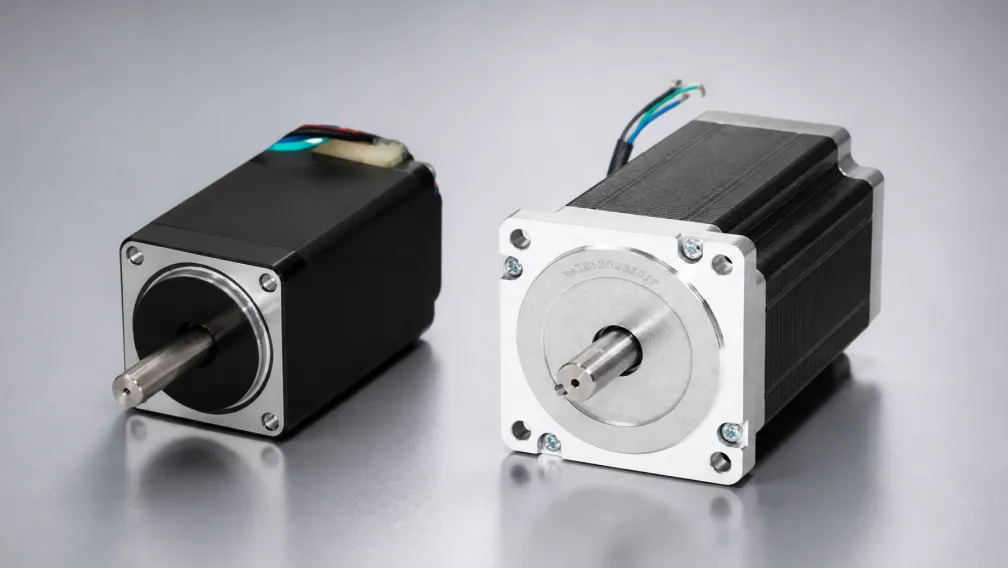
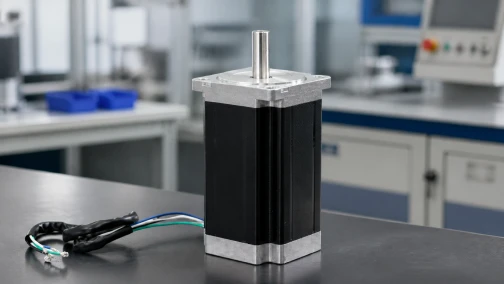
Knitting machines require high axis density within severe space constraints. Flat knitting machines utilize a heavy main carriage that moves back and forth across the needle bed. This carriage drive demands a high-power servo motor with exceptional acceleration capabilities to minimize turnaround time at the edges of the bed. Conversely, the stitch density control and needle selection mechanisms utilize compact, high-torque NEMA 17 or NEMA 23 stepper motors. These actuators fit into tight spaces and provide reliable incremental positioning without the cost overhead of a full servo feedback loop.
Dyeing, Printing, and Finishing Lines
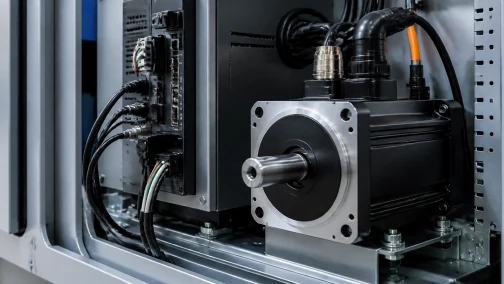
Finishing lines handle continuous webs of fabric through chemical baths, stenters, and printing rollers. Synchronization across dozens of meters is mandatory to prevent fabric stretching or tearing. Electronic gearing via a real-time fieldbus locks all axes to a master virtual encoder. Furthermore, these environments are wet, humid, and chemically aggressive. Motors deployed in dyeing and finishing must feature IP65 or IP67 ingress protection, sealed connectors, and corrosion-resistant coatings. High-capacity AC servo motors drive the main transport rollers, while smaller actuators handle edge guiding and tension dancer rolls.
Sizing Motors for Textile Environments
Textile machinery sizing requires accounting for both the mechanical load and the severe operating environment. Standard sizing formulas must be adjusted for continuous industrial operation.
1. Thermal Derating for High Ambients: Textile mills often operate at ambient temperatures exceeding 40°C to maintain yarn integrity. A motor rated for 40°C ambient will rapidly overheat if sized at 100% of its continuous torque limit. Apply a thermal derating factor, typically 15% to 20%, ensuring the continuous RMS load torque does not exceed 80% of the motor's rated capacity.
2. Load Inertia Matching: For dynamic axes like loom shedding or traverse guides, the inertia ratio dictates control loop stability. Aim for a load-to-motor inertia ratio below 5:1. High inertia mismatch leads to resonance and excessive heat generation in the stator as the drive fights to settle the load. Utilize gearboxes to reduce reflected inertia (which drops by the square of the gear ratio) or select specific high-rotor-inertia servo models.
3. RMS vs. Peak Torque Evaluation: Textile machines run continuously. Evaluate the entire motion cycle to calculate the Root Mean Square (RMS) torque. The RMS torque must fall safely within the continuous operating zone of the motor's torque-speed curve. Reserve the peak torque rating strictly for acceleration phases or clearing mechanical jams. Sizing a continuous take-up roll based on peak torque guarantees premature stator failure.
Actuation Strategy: Servo vs. Closed-Loop Stepper
Cost-effective machine design requires assigning the correct motor technology to the specific task. Over-engineering drives up capital costs, while under-engineering causes production downtime.
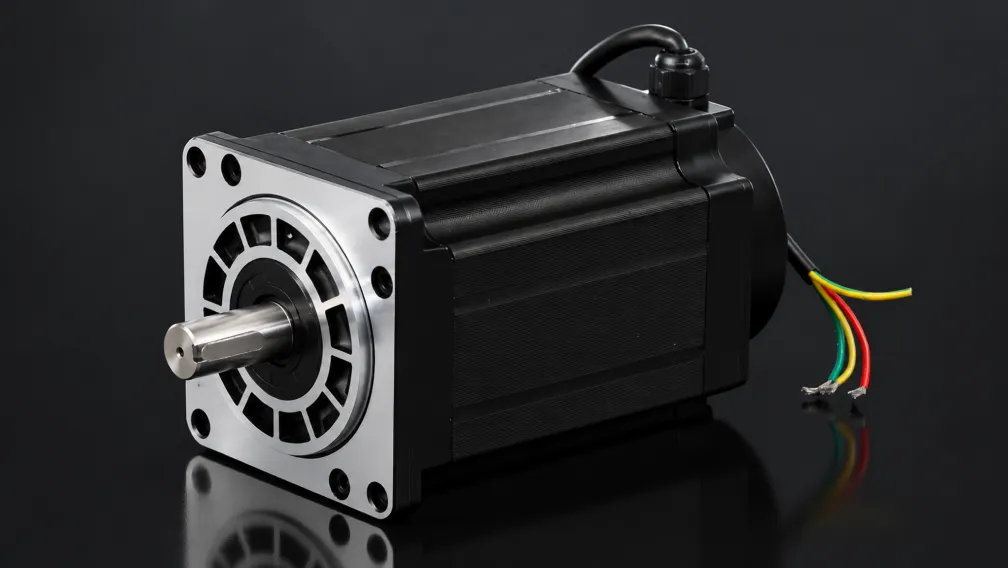
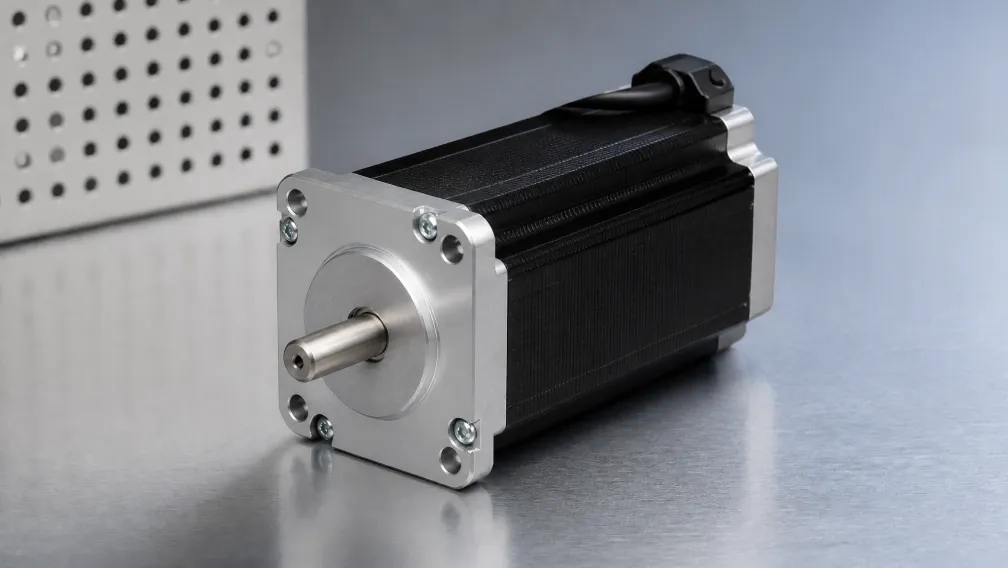
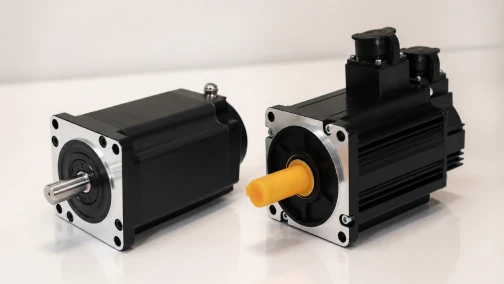
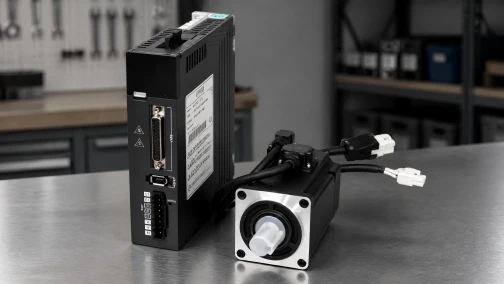
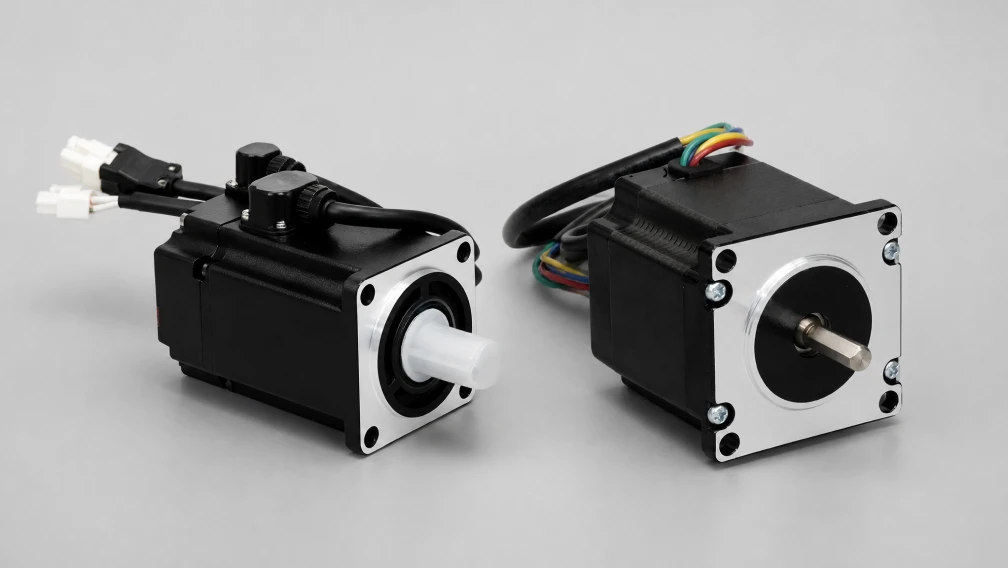
AC Servo Motors provide the highest power density, speed, and dynamic response. They are mandatory for main drives, shedding, rapid carriage movements, and any axis requiring precise torque control or speeds exceeding 1,500 RPM. They offer absolute position retention and seamless synchronization via industrial networks.
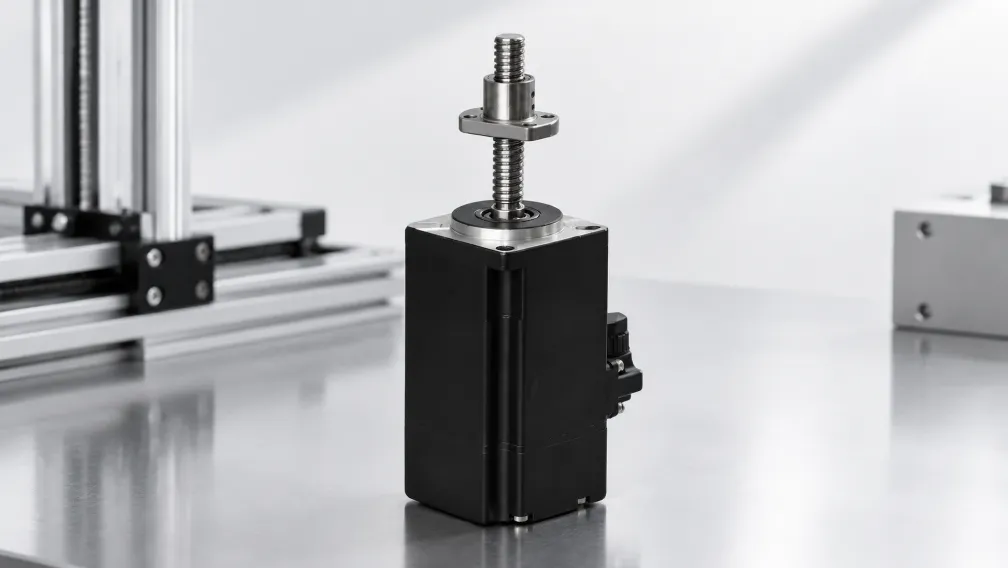
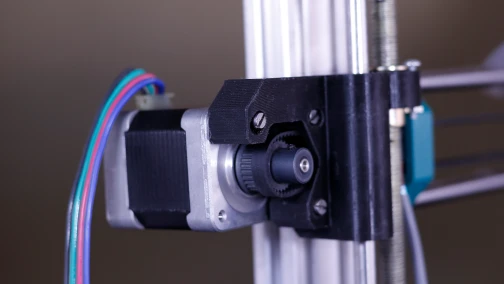
Closed-Loop Stepper Motors bridge the gap between open-loop steppers and full servos. By integrating an encoder and operating with vector control, they eliminate missed steps and run cooler than traditional steppers. They are the optimal solution for auxiliary axes, stitch density adjustments, guide positioning, and low-speed feed rollers where high holding torque at zero speed is required, but the cost of a servo system is unjustified.
Drive Networks and Electronic Gearing
A textile machine is only as capable as its communication network. The motor drivers must execute coordinated motion profiles with microsecond precision.
Real-Time Fieldbus: Utilize EtherCAT or PROFINET IRT for multi-axis synchronization. These deterministic networks ensure that the let-off, main shaft, and take-up drives receive position commands simultaneously, eliminating phase lag that causes fabric defects.
Electronic Camming: Drives supporting internal electronic cam profiles can synchronize complex non-linear movements, such as rotary shears or specific knit patterns, directly to the master axis speed. This localizes the processing within the drive, reducing the computational load on the central PLC.
Voltage Supply: High-speed looms and spinning frames require high DC bus voltages (400VAC to 480VAC inputs) to maintain torque at high RPMs and overcome back-EMF. Ensure the drive and motor insulation are rated for the facility's incoming power.
Mitigating Environmental Hazards
Textile environments destroy standard automation equipment. Implement the following physical safeguards:
- Lint and Dust: Cotton and synthetic lint penetrates standard bearings and coats motor housings, acting as an insulating blanket that prevents heat dissipation. Specify totally enclosed, non-ventilated (TENV) motors with smooth housings that resist lint accumulation.
- Moisture and Chemicals: For wet processing sections, mandate IP65/IP67 ratings. Utilize drives with conformal coated circuit boards to prevent short circuits from high ambient humidity.
- Vibration: Looms generate severe mechanical shock. Motors mounted directly to the machine frame require high-vibration rated bearings and heavy-duty circular connectors rather than standard plastic plugs.
OEM Partnership for Textile Automation
Cymotorix partners with textile machinery OEMs to deliver complete, pre-configured motion control packages. From high-torque shedding servos to compact knitting steppers, our engineering team sizes every axis based on your specific machine kinematics, cycle rates, and environmental conditions. This ensures thermal stability, maximizes throughput, and standardizes your bill of materials.
Submit your machine specifications, load profiles, and target cycle times to our engineering team through the application contact page. We provide detailed sizing reports, torque-speed curve validations, and network architecture recommendations tailored to the textile industry.
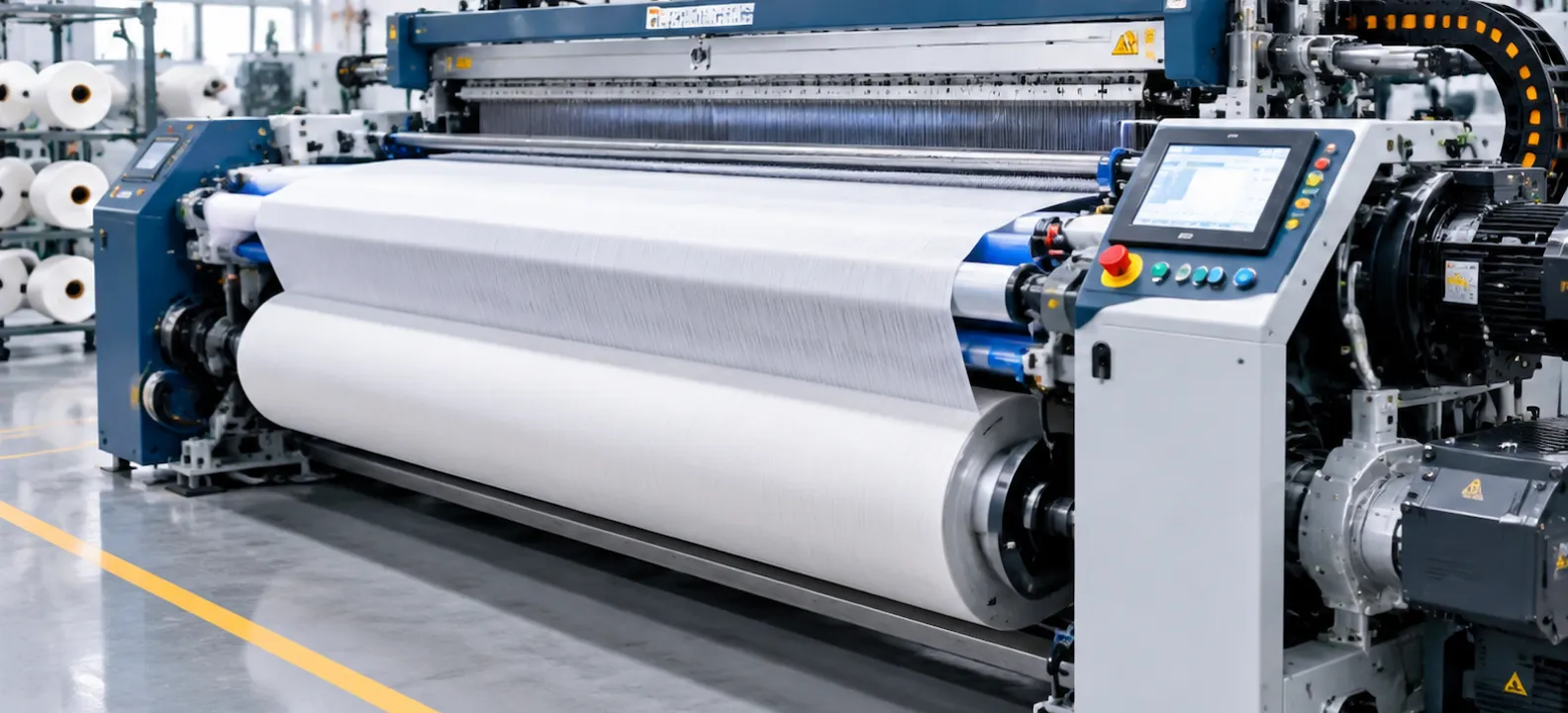
Frequently Asked Questions (FAQ)
Question: Why do servo motors overheat on textile drafting frames?
Answer: Overheating is usually caused by failing to apply a thermal derating factor for the high ambient temperatures found in textile mills, or by sizing the motor based on peak torque rather than the continuous RMS torque required for 24/7 operation.
Question: Can closed-loop stepper motors replace servos on weaving looms?
Answer: For main shafts and shedding mechanisms, no; the speed and dynamic torque requirements exceed stepper capabilities. However, closed-loop steppers are excellent replacements for auxiliary axes like tensioners, slow-speed take-ups, and fabric guides.
Question: What is electronic gearing in textile machinery?
Answer: Electronic gearing uses a motion controller and servo drives to lock the speed and position of multiple motors to a single master axis or virtual encoder, replacing physical line shafts, belts, and pulleys for precise synchronization.
Question: How do I handle lint accumulation on motor housings?
Answer: Specify smooth-body, totally enclosed (TENV) motors without cooling fins. Regularly clean the housings during scheduled maintenance, and ensure the motor is thermally oversized so that minor lint buildup does not cause immediate thermal faults.
Question: What IP rating is required for motors in dyeing and finishing?
Answer: Motors in wet processing areas must have at least an IP65 rating, with IP67 preferred for areas subject to direct washdown or splashing. Connectors and cable glands must also meet this rating to prevent liquid ingress.
Question: Why is inertia matching critical for loom shedding?
Answer: The shedding axis reverses direction extremely quickly. If the load inertia is too high compared to the motor rotor inertia, the drive cannot control the deceleration, leading to overshoot, severe mechanical stress, and overvoltage faults in the drive.
-

Cymotorix
Stepper Motor & Servo Motor Manufacture
Cymotorix is a China-based motor manufacturer with 20+ years of experience producing hybrid stepper motors, AC servo motors, and matched drivers for OEM customers worldwide.