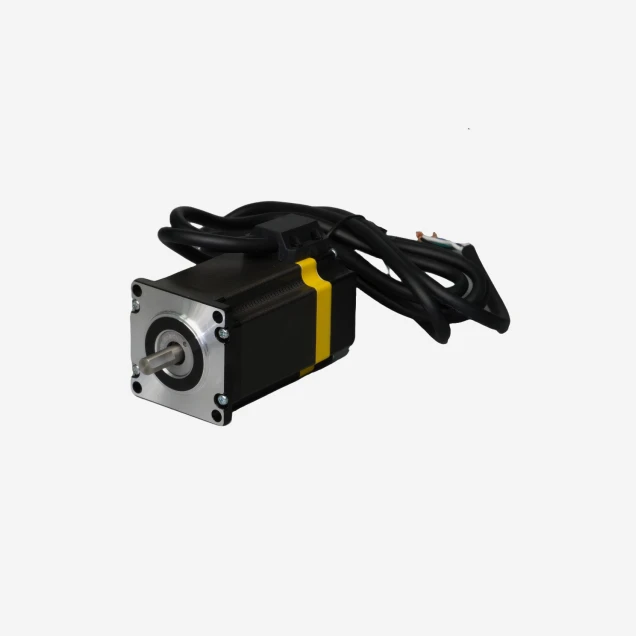
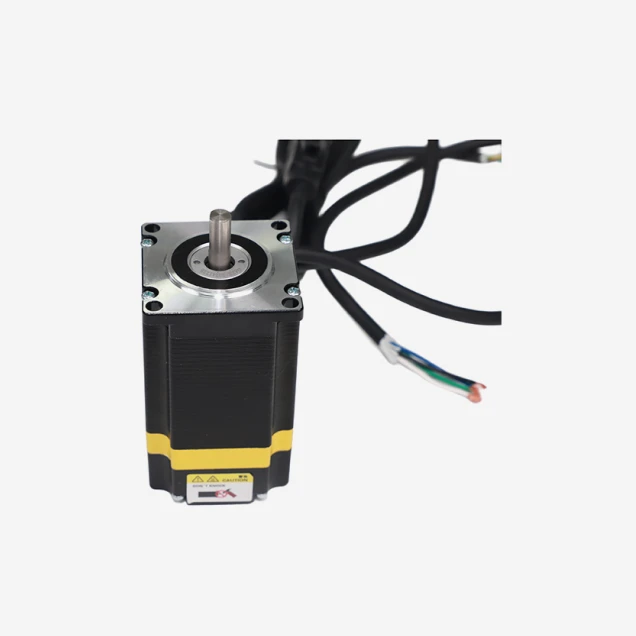
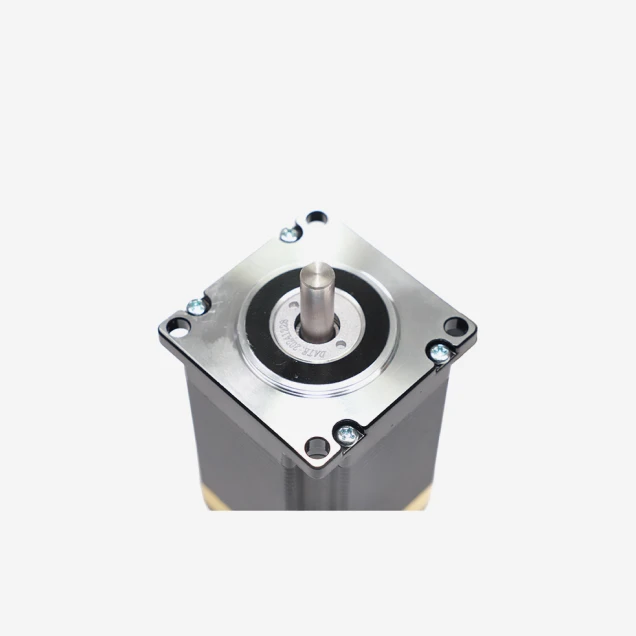
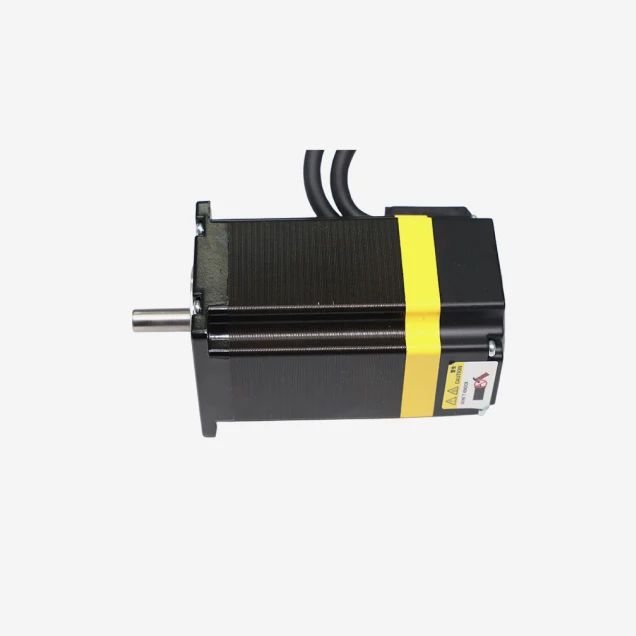
Closed Loop NEMA 23 Stepper Motor: Encoder Feedback, No Lost Steps
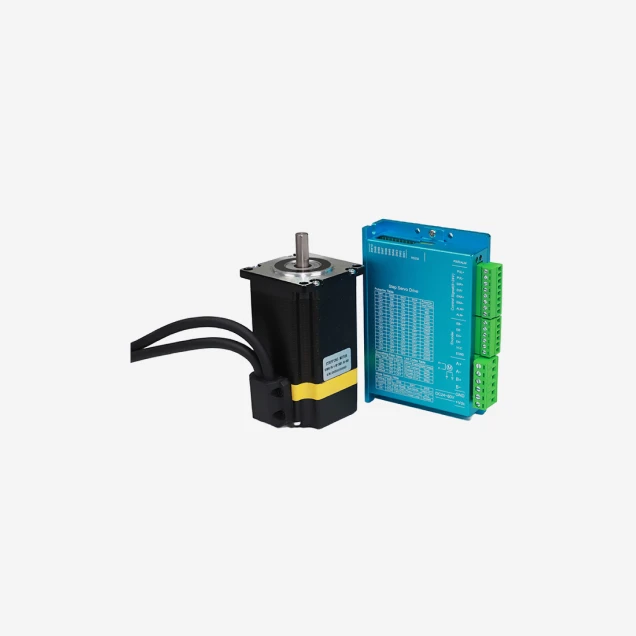
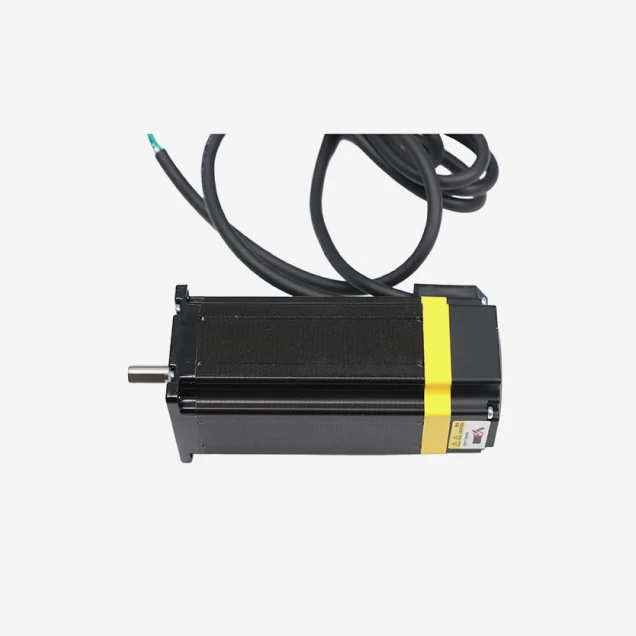
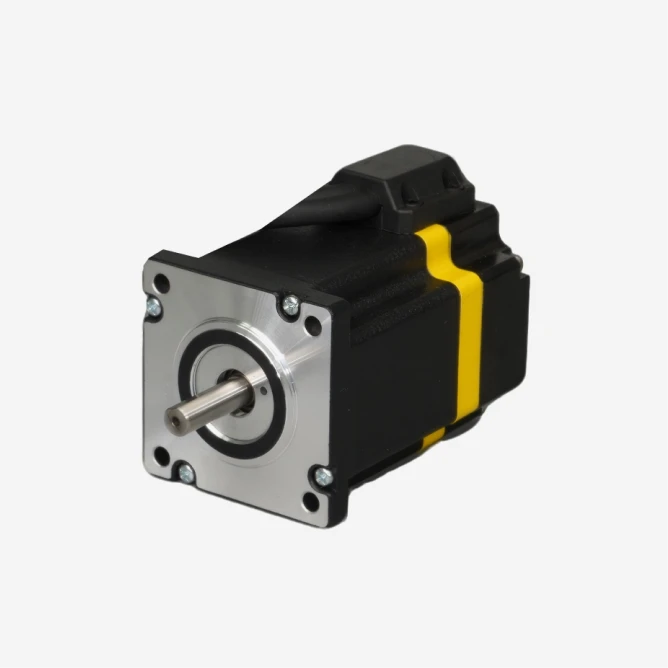
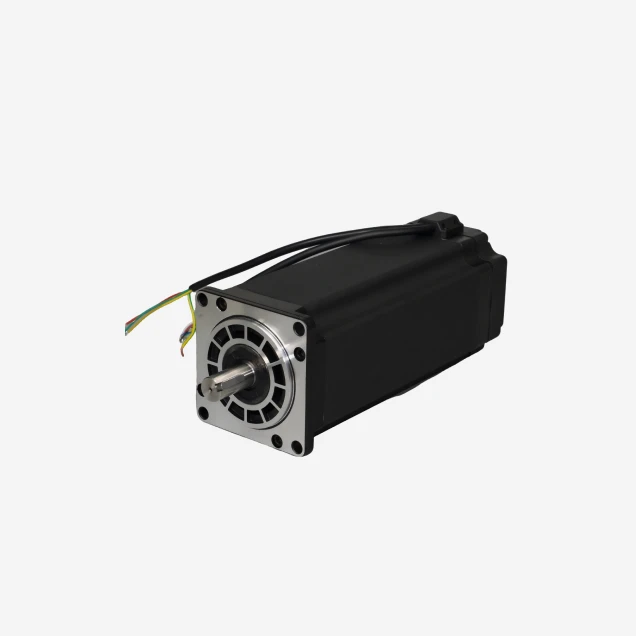
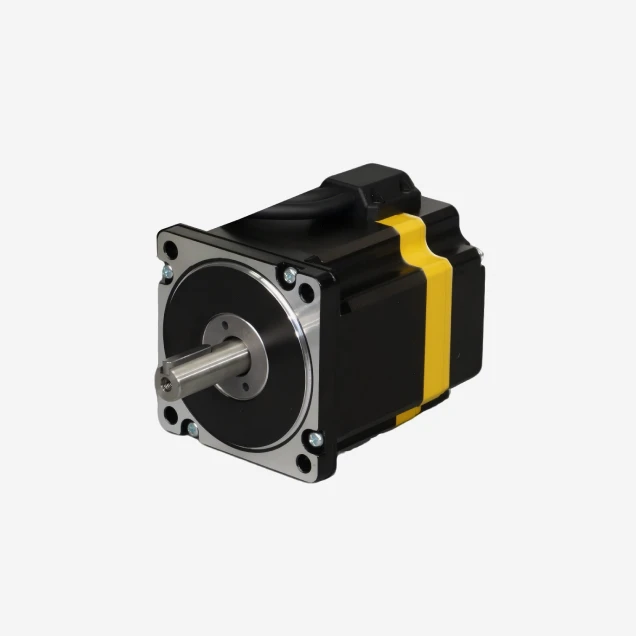
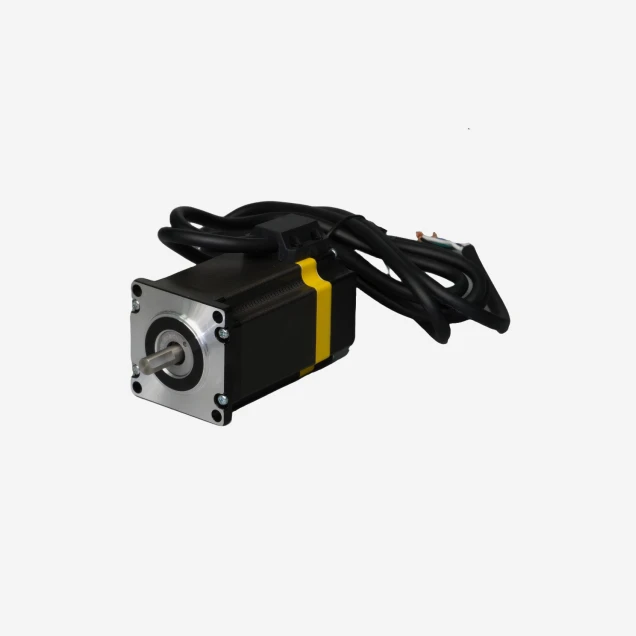
The closed loop NEMA 23 stepper motor is a 57mm hybrid stepper with an encoder on the rear shaft. The encoder feeds rotor position back to a closed loop stepper driver, which corrects any following error in real time — so the motor never loses a step, even when the load changes. A NEMA 23 closed loop stepper motor keeps the 1.8° step angle and strong low-speed torque of a standard stepper, but adds the reliability of feedback at a fraction of a servo's cost. Holding torque runs from about 0.55 N·m to 3.0 N·m depending on body length. For more torque, see the NEMA 24 closed loop stepper motor.
Key Specifications at a Glance
| Parameter | Specification |
|---|
| Frame Size | 57 × 57 mm |
| Step Angle | 1.8° (200 steps/rev) |
| Type | Closed loop (encoder feedback) |
| Encoder | 1000-line incremental |
| Holding Torque | 0.55–3.0 N·m |
| Rated Current | 2.0–4.2 A/phase |
| Body Length | 41–112 mm (varies by model) |
| Shaft | 6.35mm (1/4") standard |
Why Choose Closed Loop
A closed loop stepper sits between an open-loop stepper and a servo. It keeps the stepper's strengths and removes its main weakness — lost steps:
- No lost steps — the encoder catches and corrects following error, so the motor holds position under load swings.
- Lower heating — current is regulated to what the load needs, instead of full current all the time, so the motor runs cooler.
- Position alarm — the driver flags a fault if error exceeds a set limit, useful for unattended machines.
- Lower cost than a servo — feedback reliability without servo-level price, ideal for low-to-mid-speed positioning.
The trade-off versus a servo is top speed and dynamic response; for those, a servo is the better fit.
Typical Applications
The closed loop NEMA 23 suits positioning that can't tolerate a missed step:
- Desktop and benchtop CNC — routers and mills where a lost step ruins the part.
- Pick-and-place and dispensing — repeatable positioning under varying load.
- 3D printers — high-reliability builds and unattended long prints.
- Laser and engraving — clean motion without skipped steps.
- Automation and labeling — indexing where position must be guaranteed.
- AGV and stage motion — steering and positioning with feedback.
With a gearbox the same frame drives a low-speed, high-torque axis with feedback intact.
Closed Loop vs Open Loop NEMA 23: Which One Do You Need?
Both are 57mm frames with the same base motor. The difference is feedback:
| Closed Loop NEMA 23 | Open Loop NEMA 23 |
|---|
| Feedback | 1000-line encoder | None |
| Lost steps | Corrected | Possible under overload |
| Heating | Lower (regulated current) | Higher (full current) |
| Cost | Higher | Lower |
Pick closed loop when a missed step is unacceptable or the machine runs unattended. Pick the open-loop NEMA 23 stepper motor when cost leads and the load is steady. Both are 57mm, so they share mounting. For high-speed duty, consider an AC servo motor.
Customization Options
Cymotorix closed loop NEMA 23 stepper motors can be customized for OEM integration. As a closed loop NEMA 23 stepper motor manufacturer and supplier, we produce them to your specification. Common modifications include:
- Shaft diameter and length adjustment (standard shaft is 6.35mm / 1/4")
- D-cut or flat shaft for direct coupling
- Encoder line count to suit your resolution needs
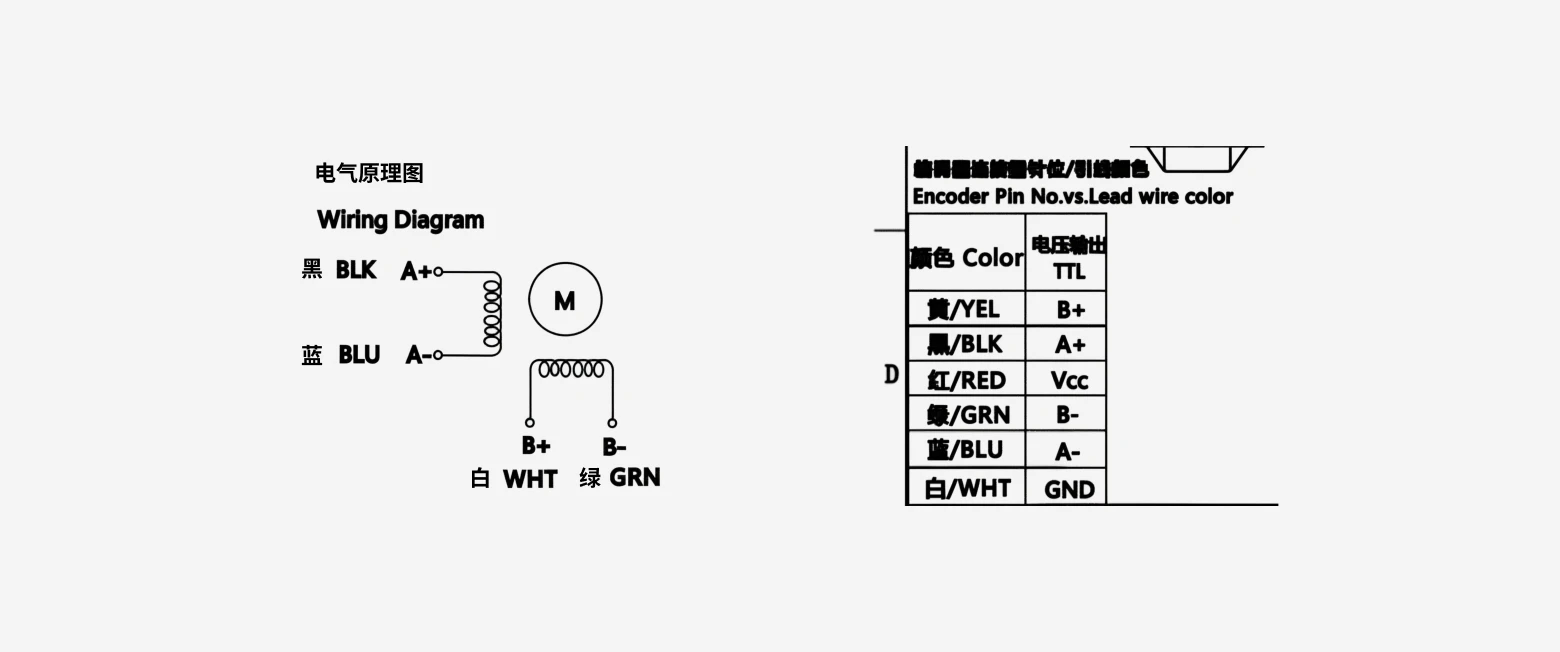
- Custom lead wire length and connector type
- Winding parameters modified to match your driver voltage and current
- Dual-shaft output for a second load
- Planetary or worm gearbox integration for higher output torque at low speed
How to Drive a Closed Loop NEMA 23 Stepper Motor
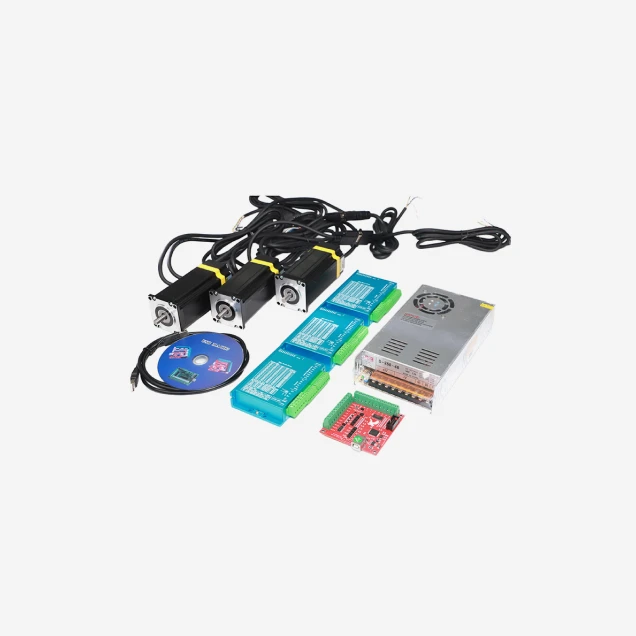
A closed loop NEMA 23 runs on a closed loop stepper driver, which reads the 1000-line encoder and closes the position loop, correcting following error and raising an alarm if error exceeds a set limit. It accepts step/direction pulses like an open-loop system, so it drops into existing controls, but adds feedback. Rated current is around 2.0 to 4.2 A/phase. We supply a matched closed loop driver set up for the motor if you want the pair tested together.
Recommended supply voltage is 24–48VDC. A higher bus voltage holds torque at speed. Because the driver regulates current to the load, a closed loop motor runs cooler than the same motor driven open-loop at full current.