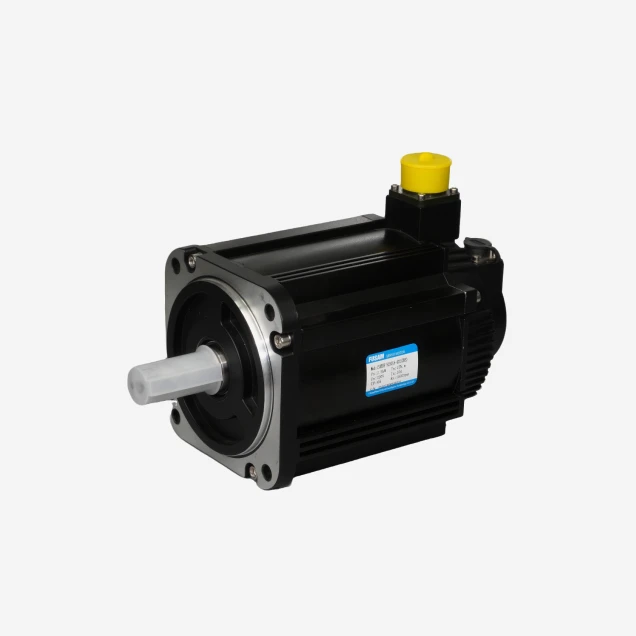
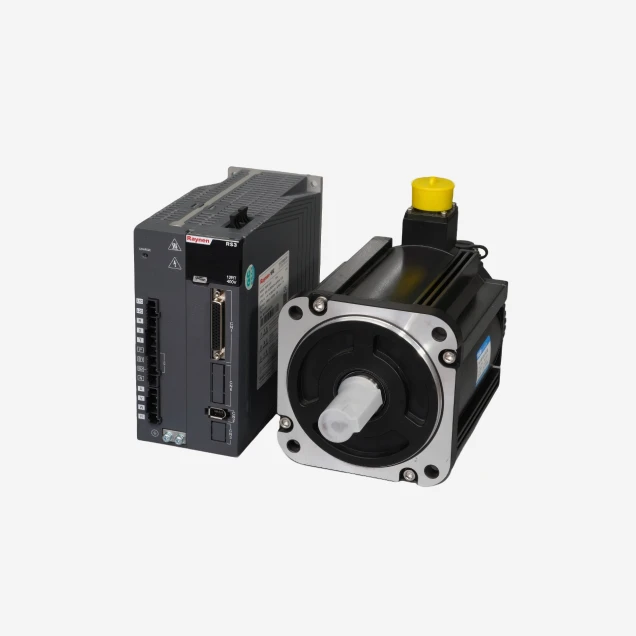
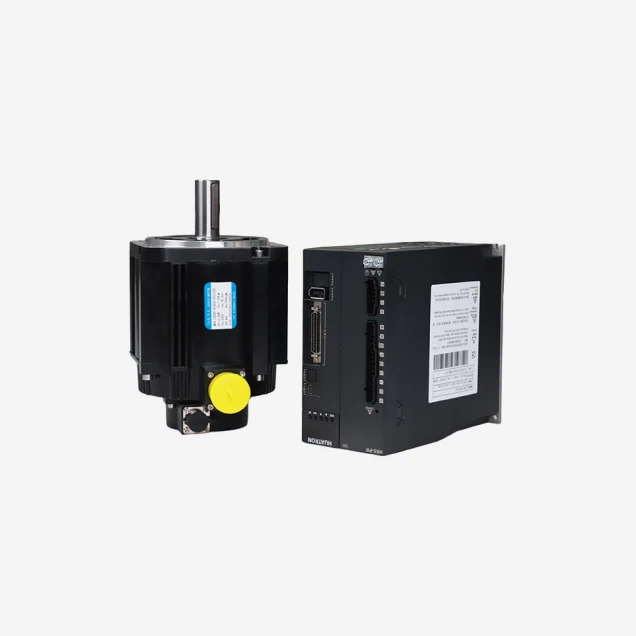
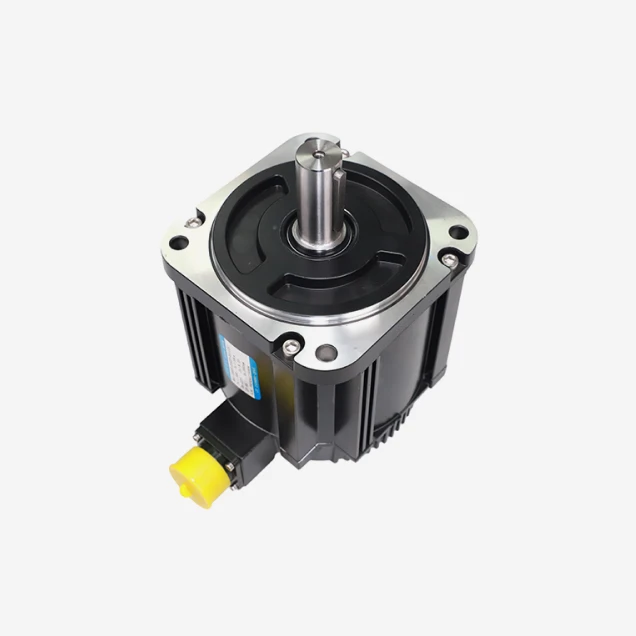
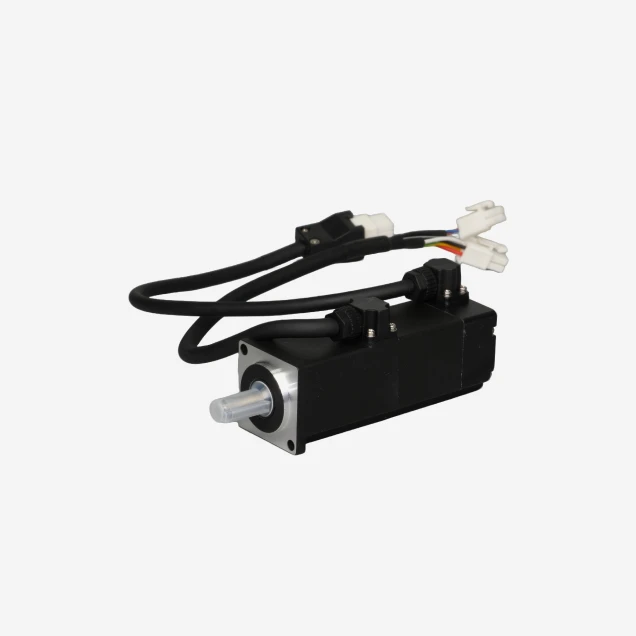
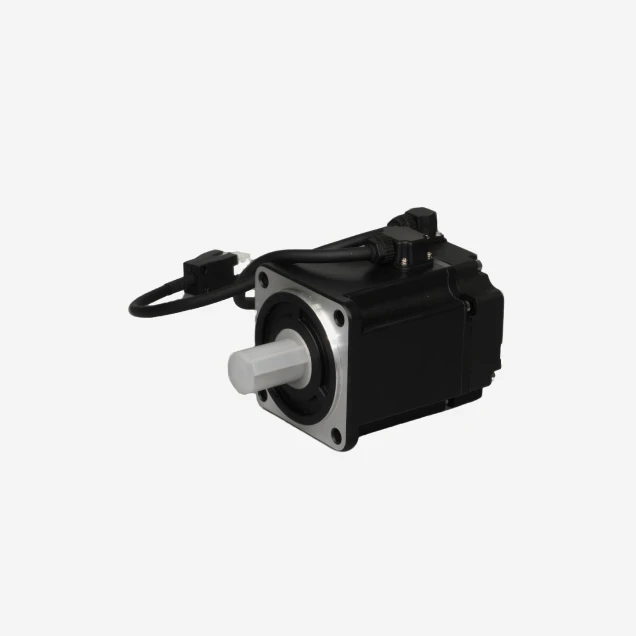
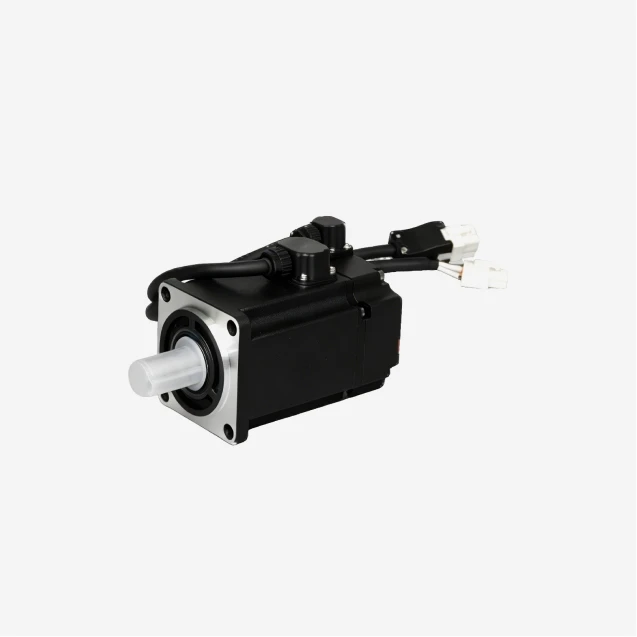
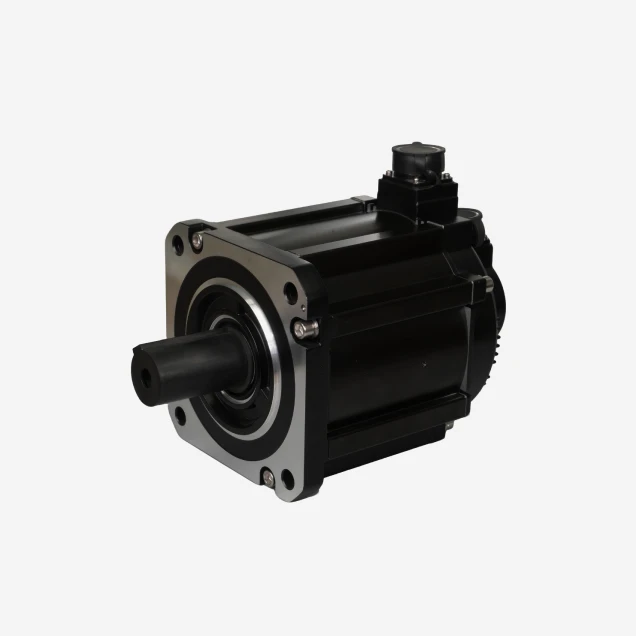
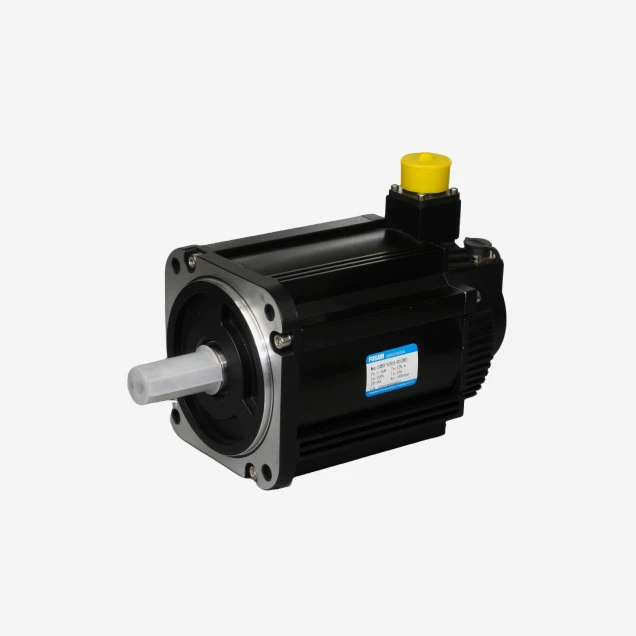
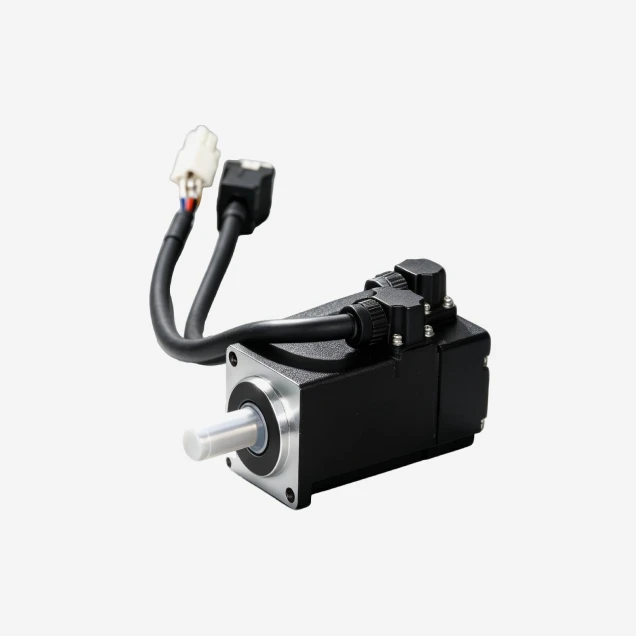
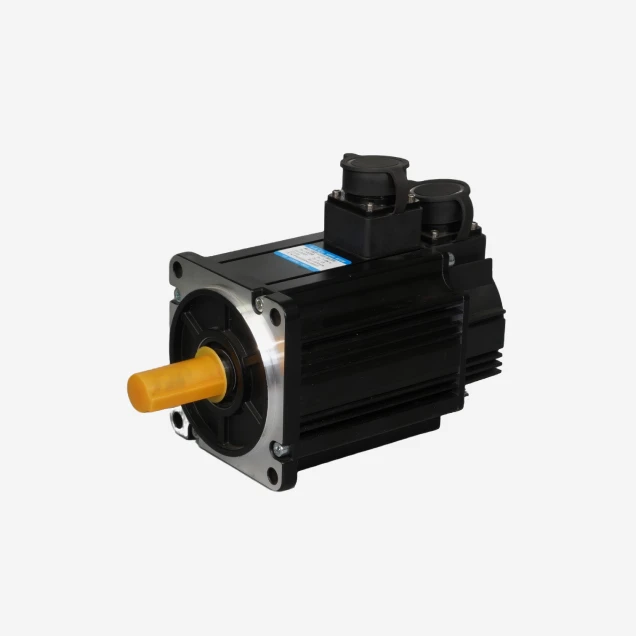
130mm AC Servo Motor: 0.85–3.8 kW, 220V and 380V
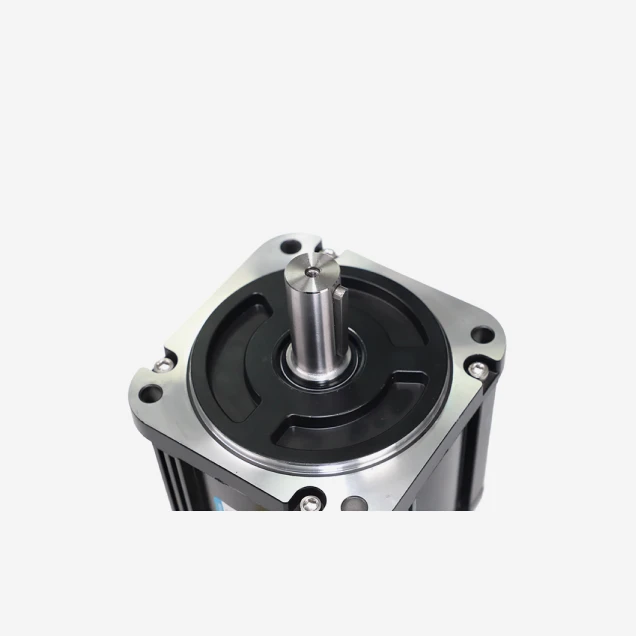
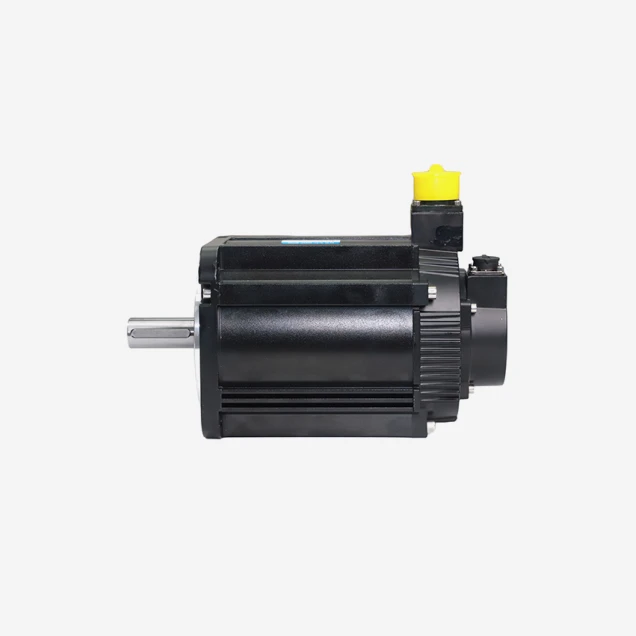
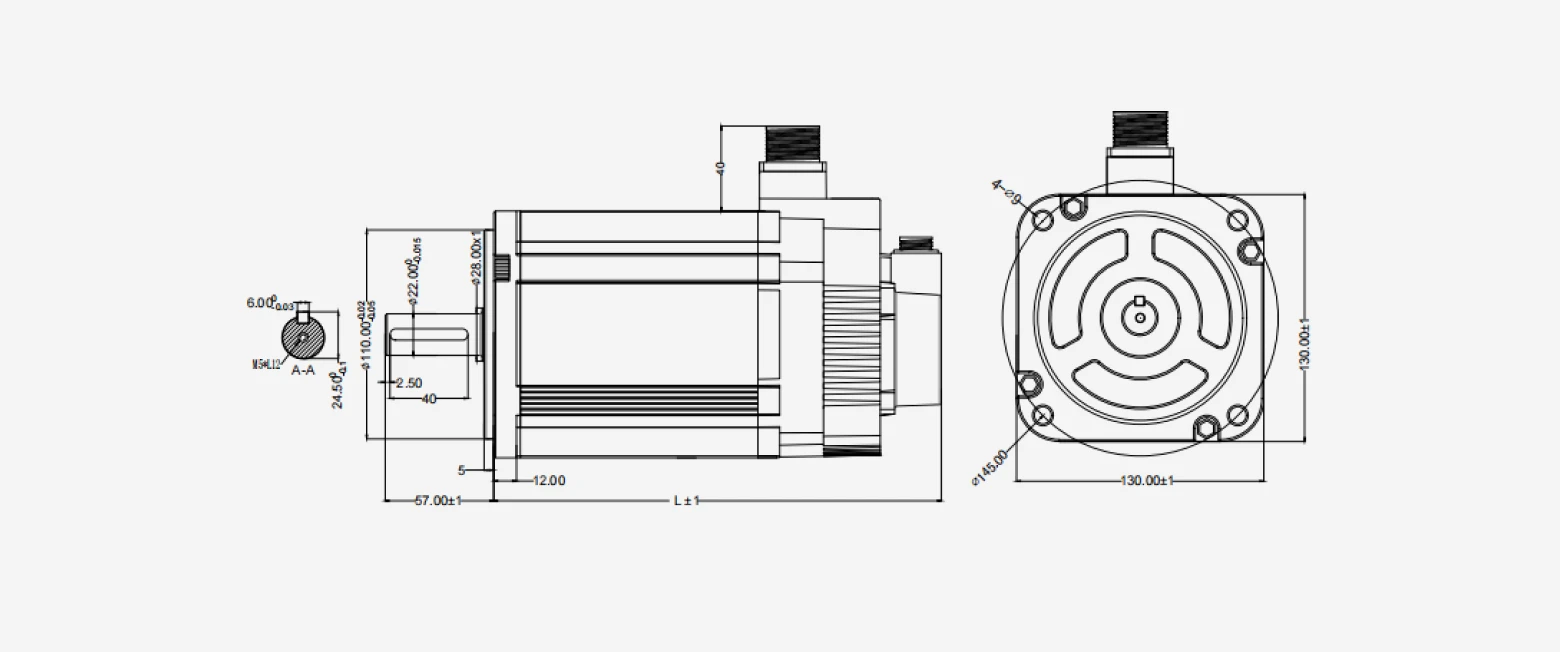
The 130mm servo motor is a high-power, high-inertia permanent-magnet AC servo on a 130 mm (NEMA 51) flange. It spans 0.85 to 3.8 kW and 5 to 18 N·m of rated torque, and comes in two supply versions — 220V, and a 380V three-phase build for higher-power and factory three-phase systems. It runs closed-loop on a 17-bit absolute encoder. With a large rotor inertia, it drives heavy, inertial loads with stable motion, which puts it on bigger CNC machines, rotary tables, gantries and heavy-load automation that sit a step above what the 110mm frame covers.

220V or 380V — Which Supply to Choose
Every power rating in the 130 range is built in both a 220V version and a 380V three-phase version. The motor torque and frame are the same; the supply and current differ. A 380V three-phase servo draws less current for the same output, which keeps the cabling lighter and the drive cooler — the usual choice once power climbs and the machine runs on factory three-phase mains. The 220V version fits machines and sites built around a 220V supply.
| 220V | 380V Three-Phase |
|---|
| Supply voltage | 220V AC | 380V AC, three-phase |
| Current at the same power | Higher | Lower |
| Cabling and drive heat | Heavier gauge, warmer | Lighter gauge, cooler |
| Best for | Machines and sites on a 220V supply | Higher power on factory three-phase mains |
If your plant runs on 380V three-phase and the axis is in the higher-power range, take the 380V build. If the machine is wired for 220V, take the 220V build — same torque, same frame.
Power and Torque Range
The 130 frame runs from 0.85 kW up to 3.8 kW, with rated torque from about 5 to 18 N·m and peak torque to roughly twice that. The lower models run at 1500 rpm for steady torque; the top model runs faster for higher output. Pick by the continuous torque and speed your axis needs — send the load and duty and we will confirm the model and the supply voltage. For axes that need more torque than the 130 delivers, the 180mm servo motor is the next frame up.
High Inertia for Heavy and Inertial Loads
The 130 carries a large rotor inertia, so it matches heavy and high-inertia loads directly and holds the inertia ratio in range without forcing a gearbox in just to fix the match. That keeps motion smooth and tuning simple on big rotary tables, rolls and gantries. As a rule, a servo controls a load best when the load inertia stays within about ten times the rotor inertia.
Typical Applications
The 130mm servo suits higher-power axes that move real load with accurate, repeatable motion:
- Machining centres and larger CNC feed axes — torque under heavy cutting load.
- Large rotary tables, indexers and trunnions — high-inertia loads held in range.
- Gantry, beam and overhead axes — controlled moves with significant mass.
- Packaging, converting, printing and web lines — smooth motion on big roll and belt drives.
- Press feeds, winders and material handling — steady torque on inertial loads.
- Robotics and heavy automation cells — mid-to-high power positioning.
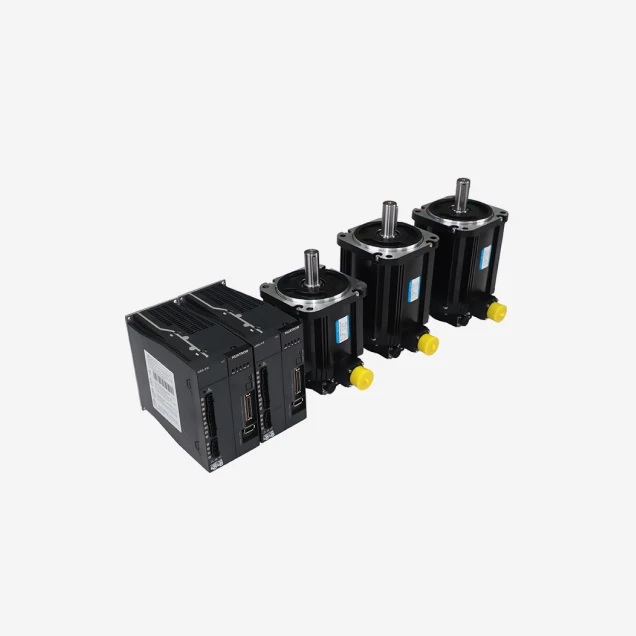
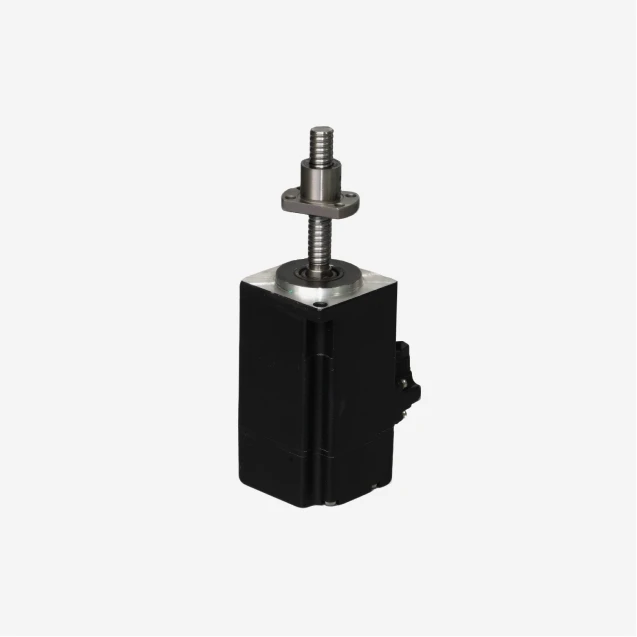
Drive, Screw Options and Customization
Every 130mm servo is matched to a servo drive rated for its voltage and tuned to the motor as a tested set. The drive runs position, speed and torque modes, with pulse and direction or bus communication depending on the model. For machine-tool feed the motor can carry a ball screw output for direct linear motion. Build options cover shaft, keyway and flange to your drawing, a power-off brake for vertical axes, a planetary gearbox, and the connector and cable you need. As a servo motor manufacturer, we test the motor and drive together before they ship.