search
Search

Enter keywords to search for products, blog posts, and more.


Home > 110mm Servo Motor

110mm Servo Motor
110mm Servo Motor
110mm Servo Motor
110mm Servo Motor
110mm Servo Motor
110mm Servo Motor
110mm Servo Motor
110mm Servo Motor
110mm Servo Motor
110mm Servo Motor
110mm Servo Motor
110mm Servo Motor
110mm Servo Motor
110mm Servo Motor

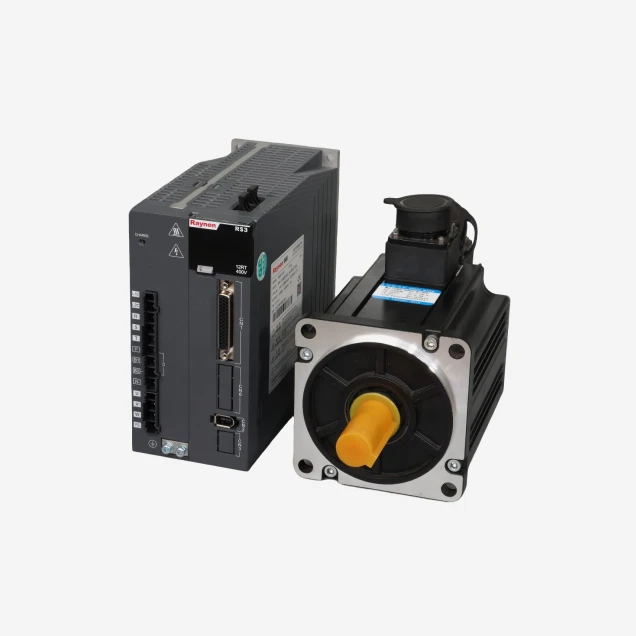
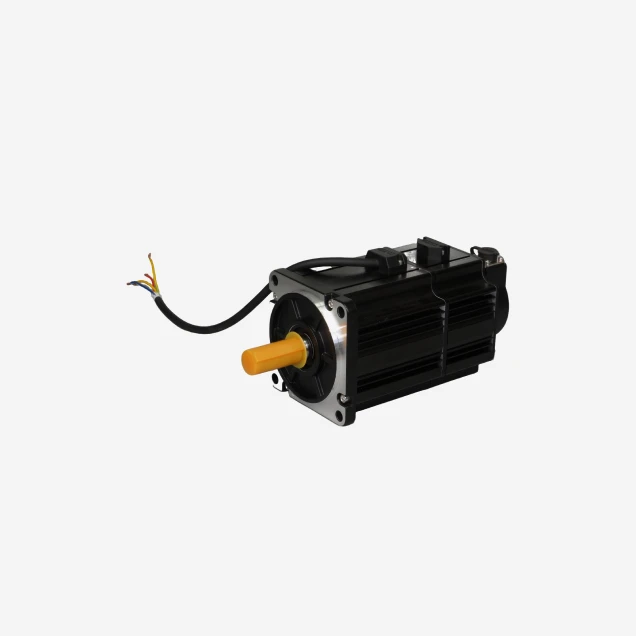
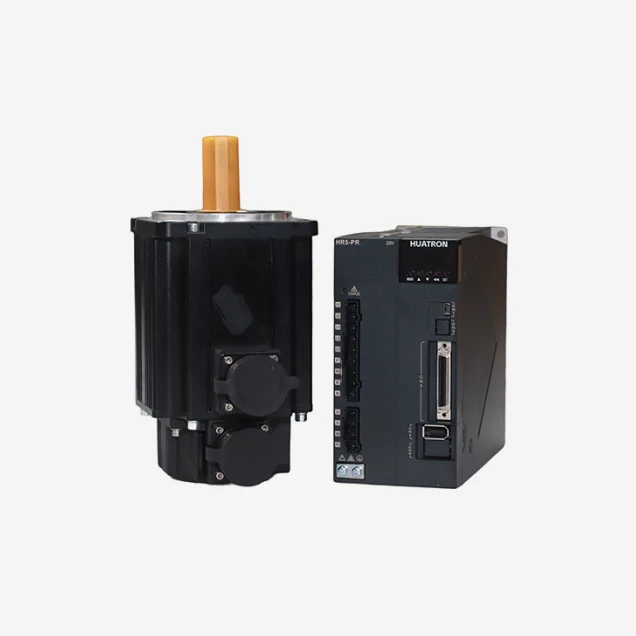
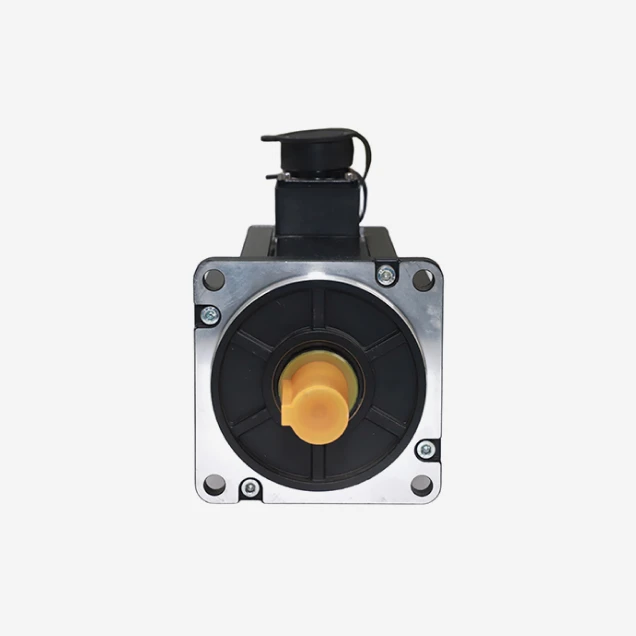
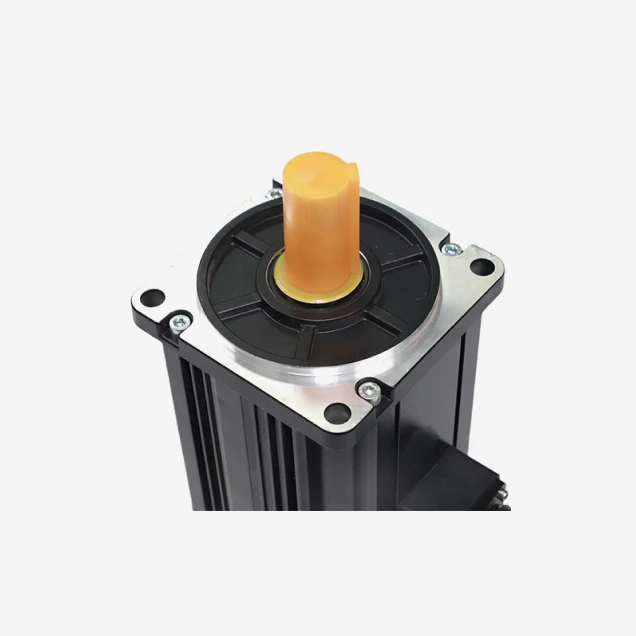
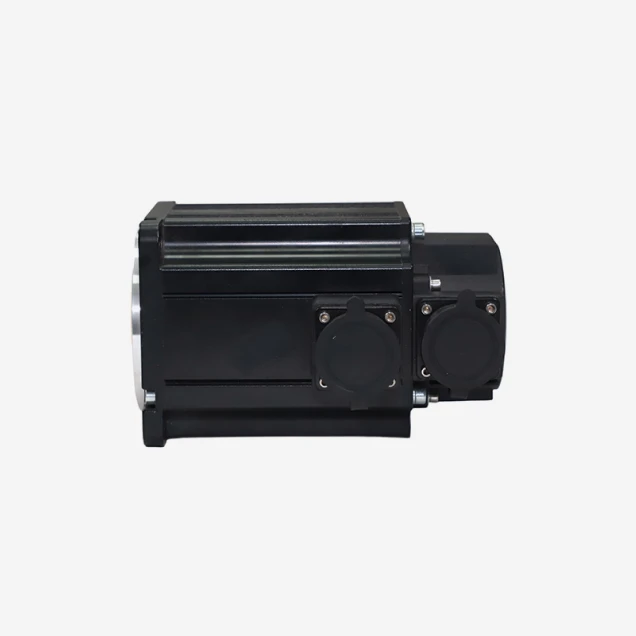
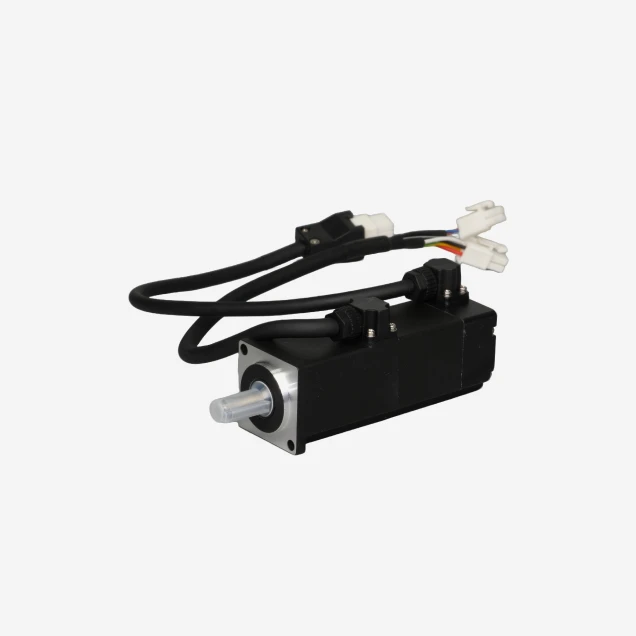
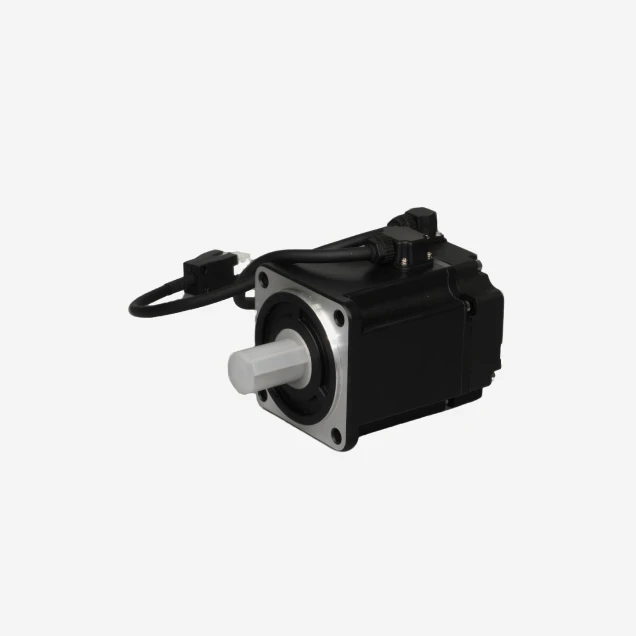
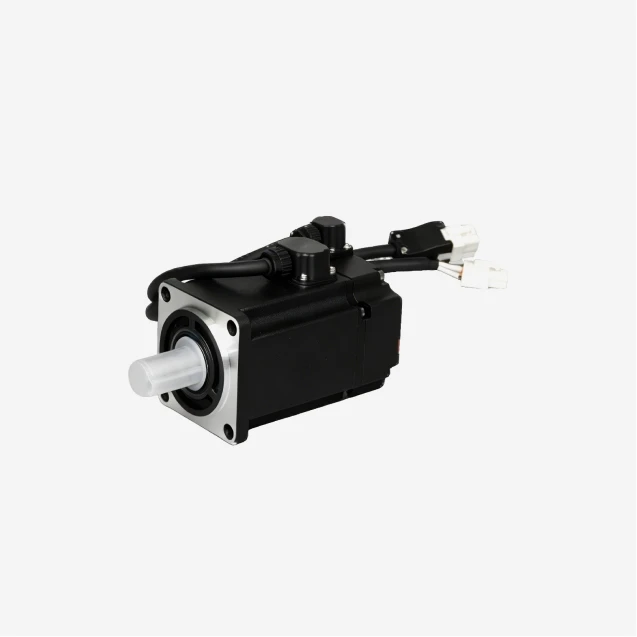
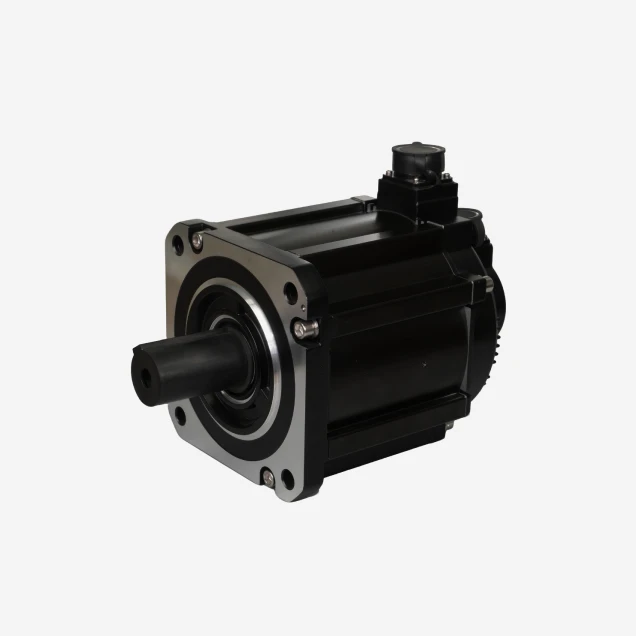
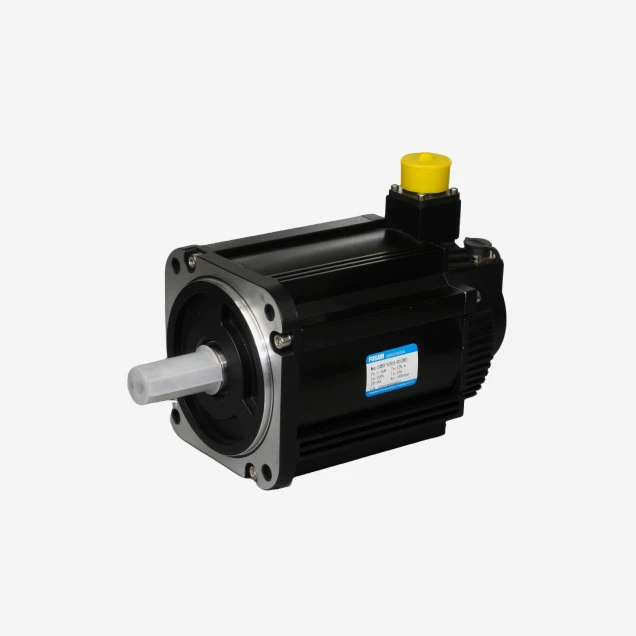
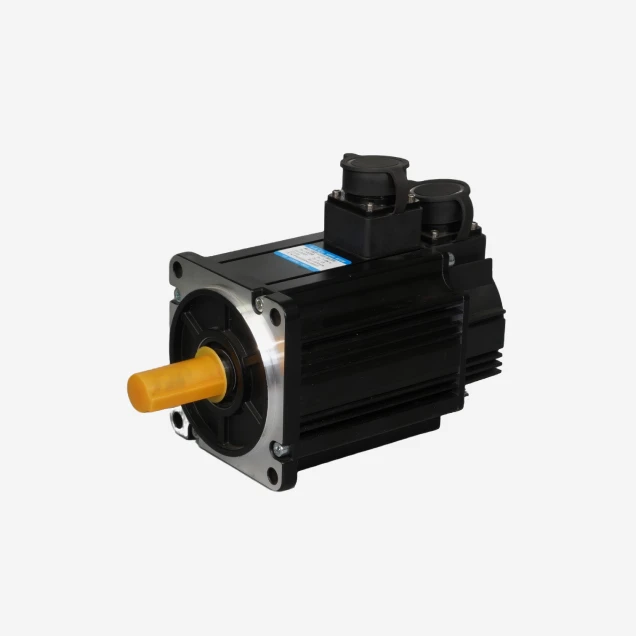
110mm AC Servo Motor — High Inertia, 1.2–1.8 kW

General Specifications

ItemSpecifications
Flange Size110 mm (NEMA 42)
Motor TypePermanent Magnet AC Servo, High Inertia
Rated Power1.2 – 1.8 kW
Rated Torque4 – 6 N·m
Feedback17-bit Absolute Encoder
Supply Voltage220V AC
Rated Speed2000 – 3000 rpm
Insulation ClassClass F
ProtectionIP65
Ambient Temperature-20℃ ~ +50℃
BrakeOptional (power-off)
CoolingNatural


introduction

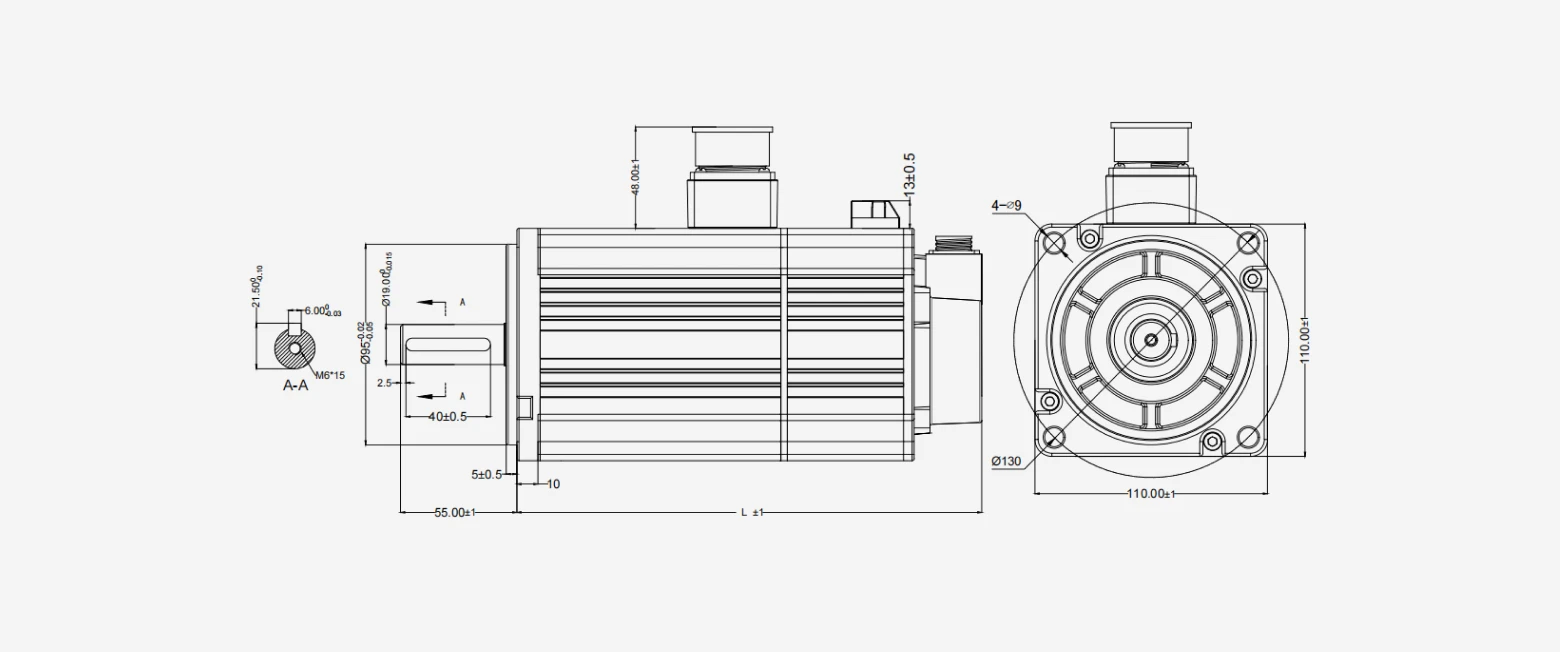
ModelRated Power (kW)Rated Torque (N·m)Peak Torque (N·m)Rated Speed (rpm)Rated Current (A)Standard length (mm)Length with brake (mm)Insulation/ProtectionVoltage
110BSF-H120301.241230006142200Class F / IP65220V
110BSF-H150301.551530005.5152210Class F / IP65220V
110BSF-H180301.861820006.6162220Class F / IP65220V

*These are representative models. We can manufacture products according to customer’s requirements.

124_1x.webp

FAQs

What is a 110mm servo motor?

A 110mm servo motor is a mid-power permanent-magnet AC servo on a 110 mm flange, the NEMA 42 frame size. It is a high-inertia servo, built to drive heavier and more inertial loads with smooth, stable motion. It runs closed-loop on a 17-bit absolute encoder, so the drive always knows rotor position and holds it under load. It runs on a 220V supply and sits on CNC feed axes, robotic arms and mid-size automation.

What power and torque does the 110mm servo deliver?

The 110 frame comes in three models rated 1200 W, 1500 W and 1800 W, with rated torque from 4 to 6 N·m and peak torque to three times rated for acceleration. The 1200 W and 1500 W run to 3000 rpm; the 1800 W runs to 2000 rpm with more torque. Full figures per model are in the specification table above.

What does high inertia mean, and when do I need it?

Inertia is how hard a load resists changes in speed. A servo controls a load best when the load inertia stays within about ten times the motor rotor inertia; beyond that the axis overshoots and is hard to tune. A high-inertia servo like the 110 carries a large rotor inertia, so it matches heavy or inertial loads — belt drives, large rotary tables, rolls, gantries — without forcing a gearbox in just to fix the ratio. If your load is light, a smaller, snappier servo is the better pick.

Is the 110mm servo a good fit for CNC machines?

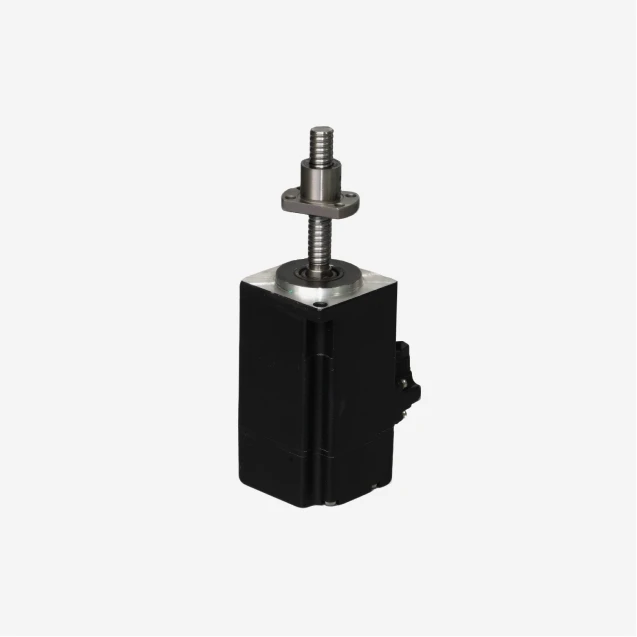
Yes. The 110 is a common choice for CNC feed axes — 1200 W to 1800 W with 4 to 6 N·m covers most mid-size machine-tool slides, and the high inertia keeps the axis stable under cutting load. The absolute encoder means no homing on power-up, and the motor can be supplied with a ball screw output for direct linear feed. Send the axis load, travel and speed and we will size the model.

Does the 110mm servo come with a matched drive?

Yes. Each 110mm servo ships with a matched servo drive, sized and tuned to the motor as a tested set, so commutation, gain and inertia matching are set before delivery. The drive runs position, speed and torque modes, with pulse and direction or bus communication depending on the model. You can also pair the motor with your own drive — ask us for the data you need.

Can I add a brake or a gearbox?

Yes to both. A power-off holding brake is available for vertical or inclined axes, and the braked version is longer — see the table for the dimension. A planetary gearbox is available to trade speed for torque, or to bring a very high load inertia further into range. Specify the gear ratio when you ask for a quote.

What encoder does the 110mm servo use?

The 110mm servo uses a 17-bit absolute encoder for closed-loop feedback. Absolute means the axis knows its position the moment power comes on, so there is no homing routine after a power cycle — useful on loaded or vertical CNC and automation axes. The encoder also closes the loop continuously, so the motor holds position under a changing load.

Can you build the 110mm servo to my drawing?

Yes. The 110mm servo is built for OEM integration, so the shaft diameter, length and keyway can be made to your drawing. We can add a brake, fit a gearbox, supply a ball screw output, and change the connector and cable. Send your drawing or application and we will confirm what we can match.

110mm AC Servo Motor: 1.2–1.8 kW for CNC and Automation

The 110mm servo motor is a mid-power, high-inertia permanent-magnet AC servo on a 110 mm (NEMA 42) flange. It runs 1.2 to 1.8 kW with 4 to 6 N·m of rated torque and three times that as peak, on a 220V supply, and turns at up to 3000 rpm. It runs closed-loop on a 17-bit absolute encoder, so the axis knows its position on power-up and holds it under load. The large rotor inertia is the point of this frame — it drives heavier, higher-inertia loads smoothly, which is why it sits on CNC feed axes, robotic arm joints and mid-size automation.


Where the 110mm Servo Fits

The 110 is the mid-power step in the servo range, built for axes that move real load with stable, repeatable motion:

  • 1.2 to 1.8 kW and 4 to 6 N·m — enough torque for machine-tool feed axes and loaded automation.
  • High rotor inertia — matches heavy and inertial loads directly, so motion stays smooth and easy to tune.
  • 17-bit absolute encoder — no homing routine, the axis keeps position through power cycles.
  • 220V mains supply, IP65 sealing and Class F insulation for the factory floor.


Why High Rotor Inertia Matters

A servo’s rotor inertia decides how well it controls the load. The working rule is to keep the load inertia within about ten times the motor’s rotor inertia; past that the axis overshoots, oscillates and is hard to tune. The 110 frame carries a large rotor inertia, from 0.45 to 0.75 ×10⁻³ kg·m², so it matches high-inertia loads on its own — belt and pulley drives, large rotary tables, web and roll handling, big gantries. A low-inertia servo on those loads would force a gearbox in just to bring the ratio down. The high-inertia 110 holds the ratio in range without the extra gear stage, so the motion stays smooth and stable.

Low-Inertia ServoHigh-Inertia 110
Rotor inertiaSmallLarge
Suited loadLight, low-inertiaHeavy, high-inertia
Big load without a gearboxInertia mismatch, hard to tuneMatches directly, stays in range
Motion characterFast, snappySmooth, stable under load
Typical useFast pick-and-placeBelt/pulley, rotary tables, CNC feed

If your load is heavy or has high inertia — a flywheel, a big table, a roll — a high-inertia servo controls it better than a small, snappy one. If the load is light and you want maximum acceleration, a smaller frame is the better match.


Choosing Between 1.2, 1.5 and 1.8 kW

All three models share the 110 mm frame and the absolute encoder; they differ in power, torque and speed. The 1.2 kW and 1.5 kW run to 3000 rpm for faster axes; the 1.8 kW trades top speed for more torque at 2000 rpm. Pick by the continuous torque your axis needs and the speed it runs — send the load and duty and we will confirm the model.


Typical Applications

The 110mm servo suits mid-power axes that carry load and need accurate, repeatable motion:

  • CNC feed axes and machine-tool slides — repeatable positioning under cutting load.
  • Robotic arm joints and positioners — stable control of inertial links.
  • Rotary tables, indexers and trunnions — high-inertia loads held in range without heavy gearing.
  • Packaging, converting and printing machinery — smooth motion on belt and roll drives.
  • Conveyor, gantry and material-handling axes — controlled moves with real load.
  • Automation and assembly lines — mid-power positioning across the machine.


Drive, Screw Options and Customization

Each 110mm servo ships with a matched servo drive, sized and tuned to the motor as a tested set, so commutation, gain and inertia matching are set before delivery. The drive runs position, speed and torque modes, with pulse and direction or bus communication depending on the model. For CNC feed axes the motor can be supplied with a ball screw output for direct linear motion. Common changes: shaft diameter, length and keyway to your drawing, a power-off holding brake for vertical axes, a planetary gearbox, and connector and cable to suit. As a servo motor manufacturer, we test the motor and drive together and ship the encoder built in.


Related Products

info@cymotorix.com

sales@cymotorix.com

+86 13028840704

WeChat QR Code

Scan to add WeChat