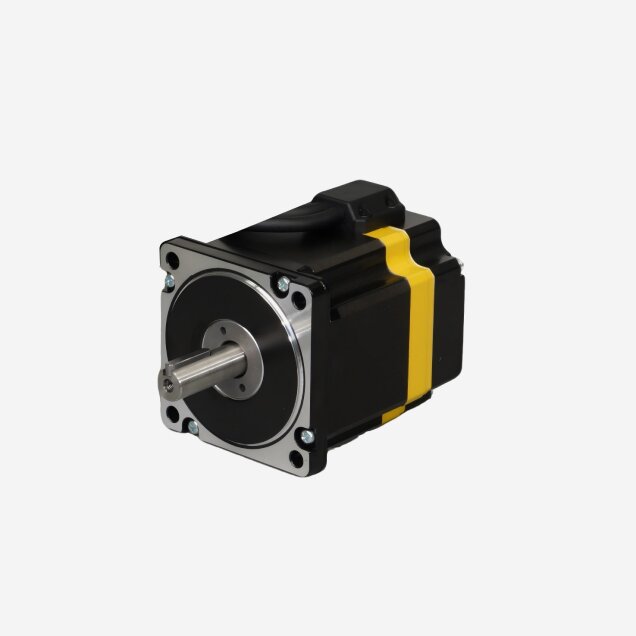
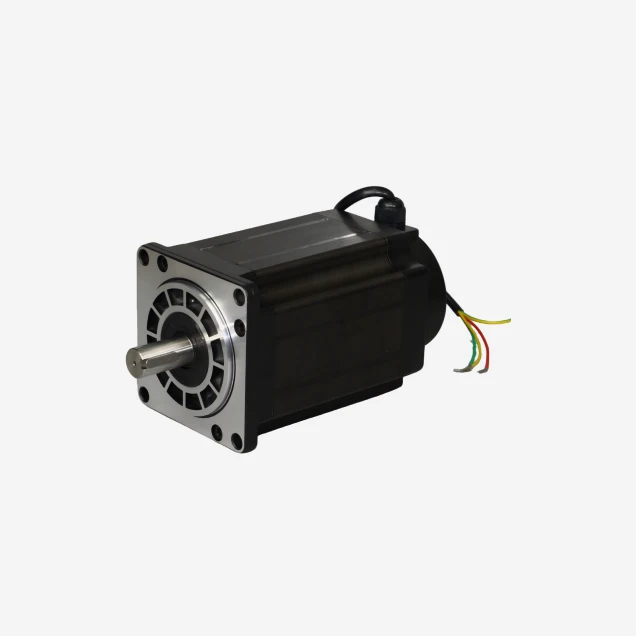
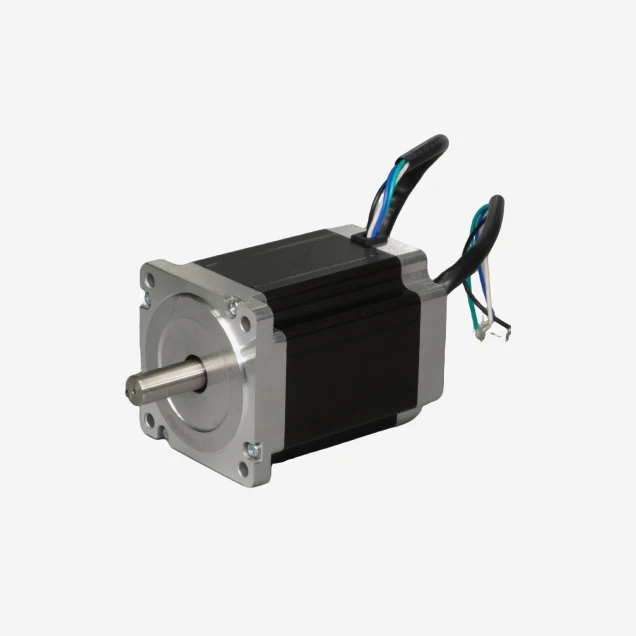
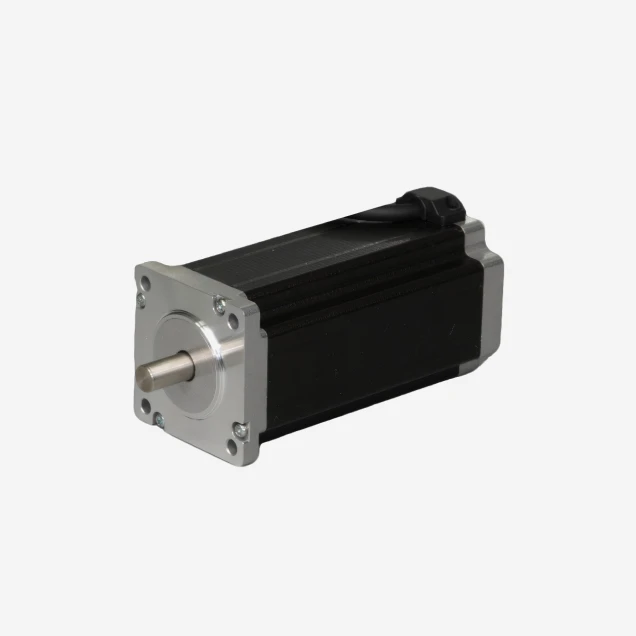
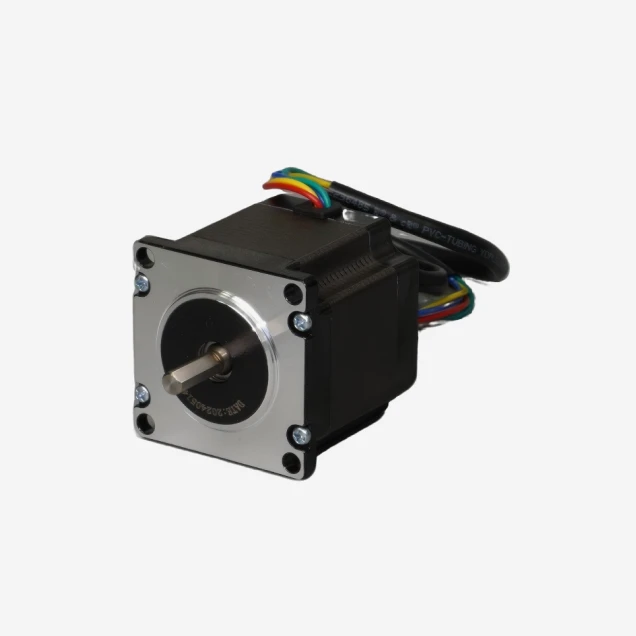
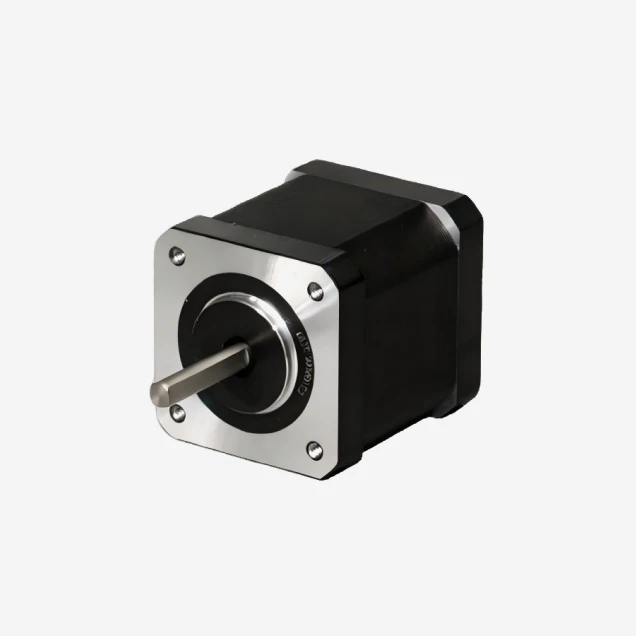
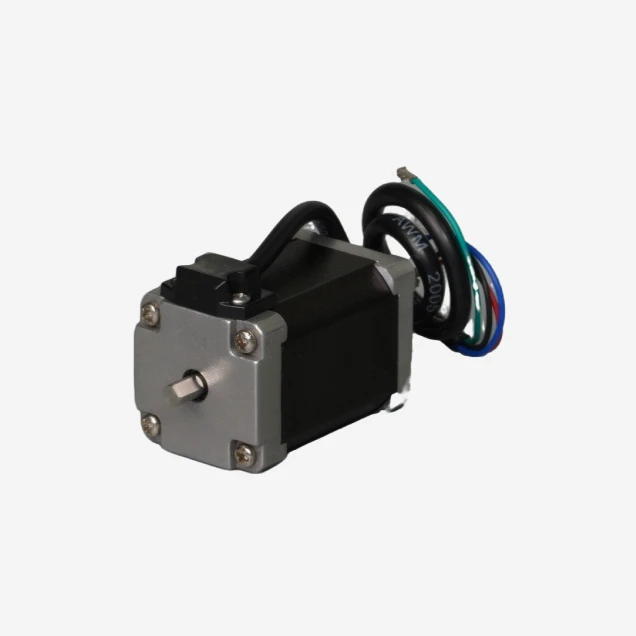
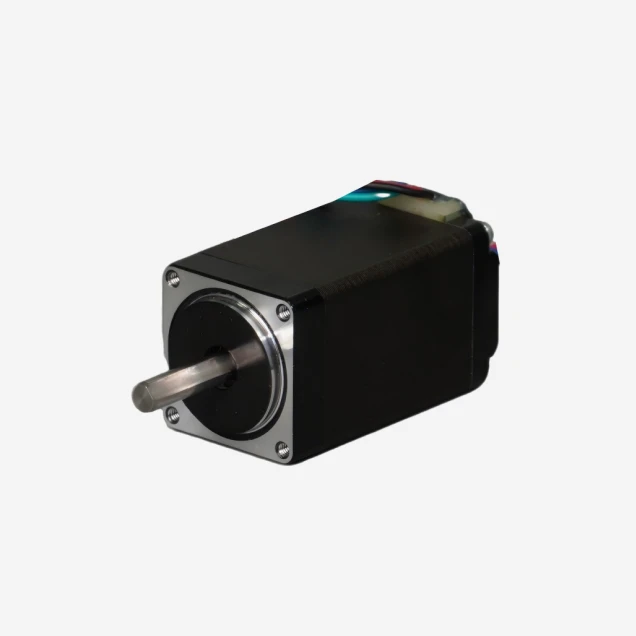
NEMA 17 Stepper Motor: The Standard 42mm Frame for Precision Motion
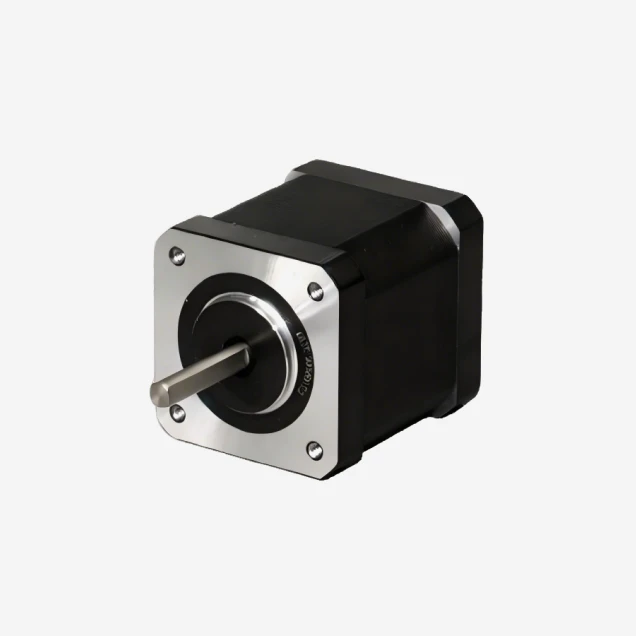
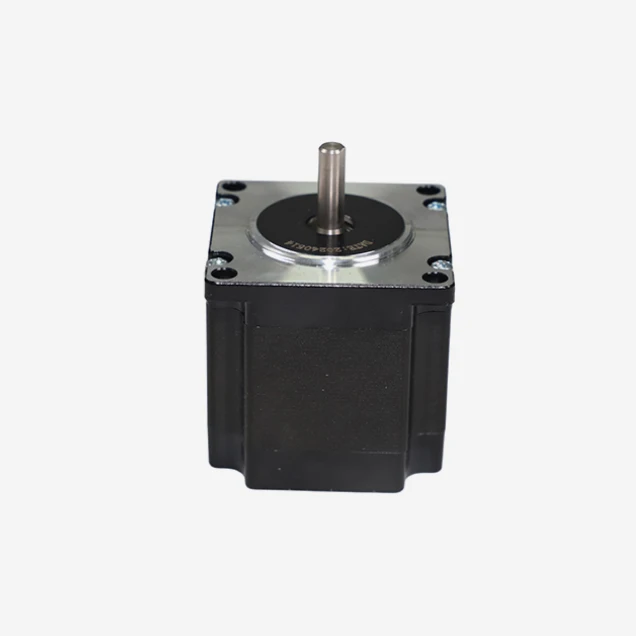
The NEMA 17 stepper motor is the most widely used stepper frame in the world. With a 42mm × 42mm faceplate, it hits the sweet spot between size and torque, which is why it drives most 3D printers, desktop CNC machines, laser engravers, and small automation. A 2-phase NEMA 17 hybrid stepper motor delivers holding torque from about 0.22 N·m to 0.65 N·m depending on body length, at a 1.8° step angle. NEMA 17 dimensions are fixed at a 42mm faceplate, with body length the main variable. For a smaller frame, see the NEMA 14 stepper motor.
Key Specifications at a Glance
| Parameter | Specification |
|---|
| Frame Size | 42 × 42 mm |
| Step Angle | 1.8° (200 steps/rev), 0.9° optional |
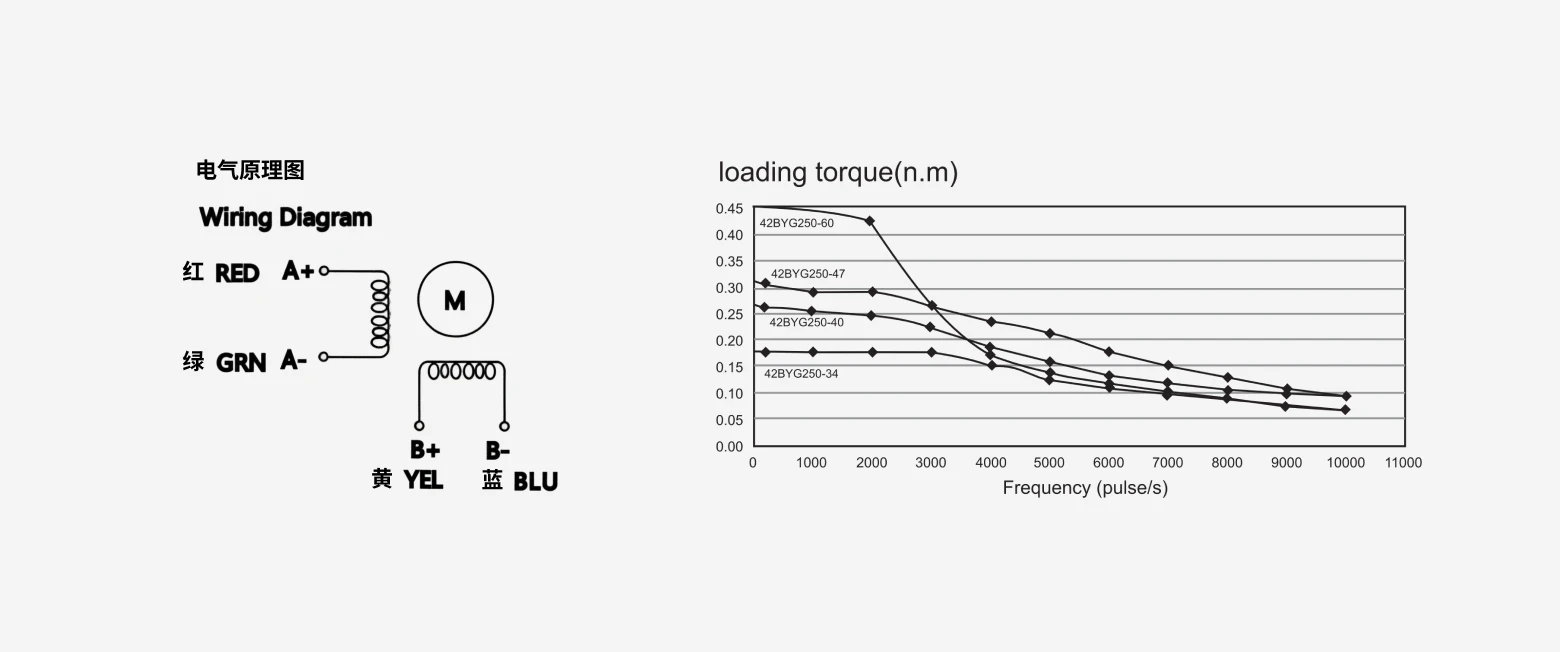
| Phase | 2-phase (bipolar) |
| Holding Torque | 0.22–0.65 N·m |
| Rated Current | 1.5–2.0 A/phase |
| Body Length | 34–60 mm (varies by model) |
| Steps per Revolution | 200 (1.8°) / 400 (0.9°) |
| Weight | 220–460 g |
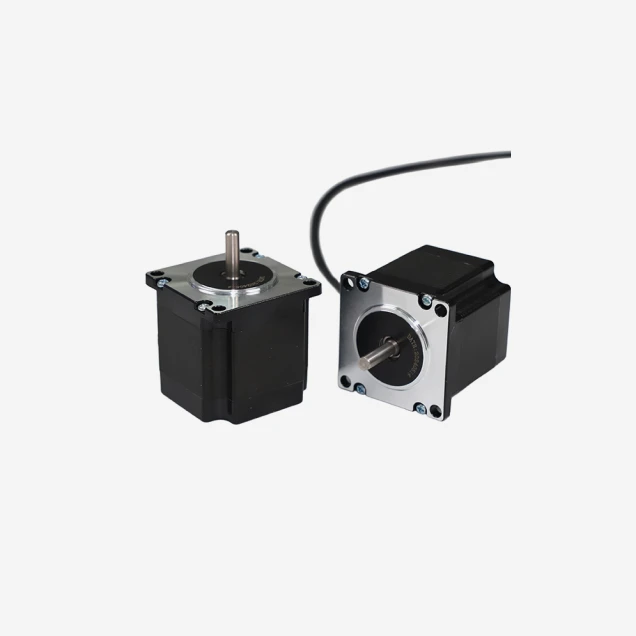
| Lead Wires | 4-wire or 6-wire
|
Typical Applications
The NEMA 17 is the default choice across small to mid-size motion. Common applications include:
- 3D printers — X/Y/Z axes and extruder drive; the most common stepper in desktop FDM machines.
- Desktop CNC and engravers — router, mill, and laser axis drive.
- Small automation — pick-and-place, dispensers, conveyors, and labeling.
- Camera and lighting rigs — pan-tilt, slider, and focus pulling.
- Lab and medical — pumps, sample handling, and positioning stages.
- Robotics — joint and wheel drive on small robots and educational platforms.
With a NEMA 17 gearbox the same frame drives a linear actuator or a low-speed, high-torque axis; or add a rear-shaft encoder for feedback.
NEMA 17 vs NEMA 23: Which One Do You Need?
The next size up from NEMA 17 is NEMA 23 (57mm × 57mm). Here is a quick comparison:
| NEMA 17 (42mm) | NEMA 23 (57mm) |
|---|
| Faceplate | 42 × 42 mm | 57 × 57 mm |
| Max Holding Torque | ~0.65 N·m | ~3 N·m |
| Weight | 220–460 g | 0.5–1.5 kg |
| Best For | 3D printers, desktop machines | CNC, heavier automation |
If your load needs more than about 0.65 N·m, move up to NEMA 23. If the 42mm footprint works and the load is light to moderate, NEMA 17 is the right fit — and the easiest to source drivers and parts for.
Customization Options
Cymotorix NEMA 17 stepper motors can be customized for OEM integration. As a NEMA 17 stepper motor manufacturer and supplier, we produce them to your specification. Common modifications include:
- Shaft diameter and length adjustment (standard shaft is 5mm)
- D-cut or flat shaft for direct coupling
- Pinion or geared shaft for belt or gear drive
- NEMA 17 pancake short-body version for tight axial space
- Custom lead wire length and connector type (JST, Molex, bare leads)
- Winding parameters modified to match your driver voltage and current
- 0.9° step angle for finer resolution
- Rear-shaft extension for encoder mounting
- Planetary or worm gearbox integration for higher output torque at low speed
How to Drive a NEMA 17 Stepper Motor
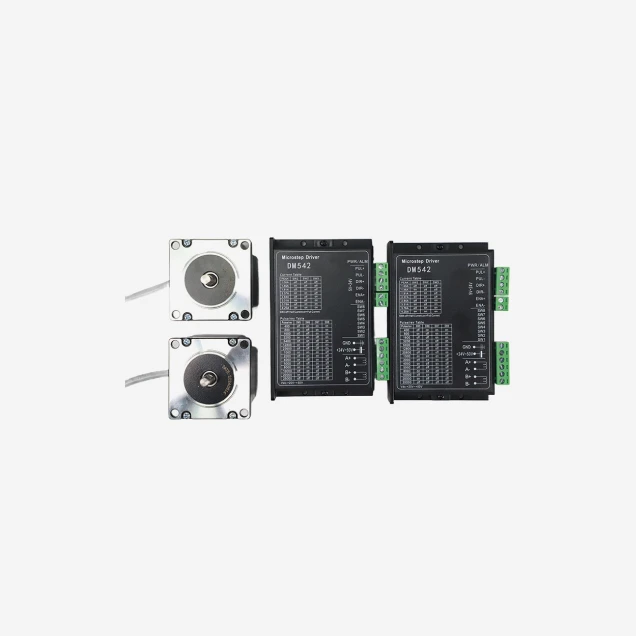
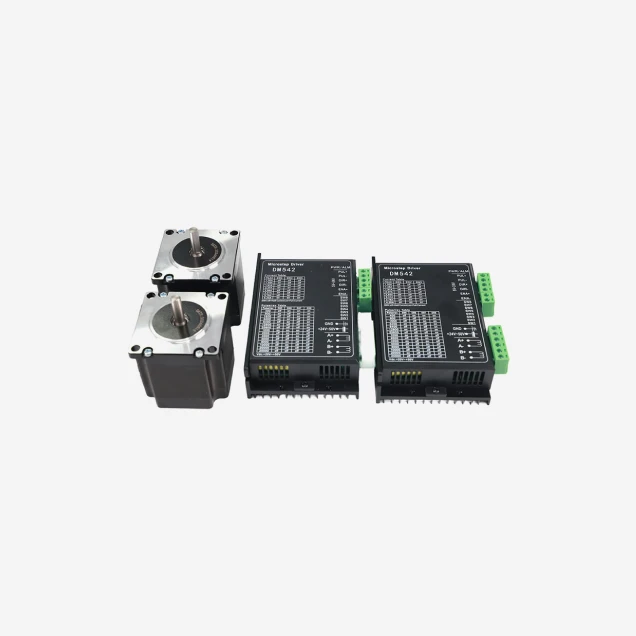
NEMA 17 motors are 2-phase bipolar steppers, so they run on any standard 2-phase stepper driver. A NEMA 17 stepper driver only needs to handle the rated current with some headroom. Rated current is around 1.5 to 2.0 A per phase, so a mid-range microstepping driver with current regulation gives the smoothest motion. We can supply a driver matched and set to the motor if you want the pair tested together.
Recommended supply voltage is 12–48VDC. A higher bus voltage noticeably improves high-speed torque on a NEMA 17, which is why CNC and fast-printing builds often run 36–48V. Set the driver's current limit to the motor's rated current so the windings don't overheat.