AC Servo Motors: How They Work, Drive Pairing, and How to Choose
A working reference for engineers and procurement teams specifying industrial servo motors for OEM equipment. It covers how an AC servo works, how it differs from a stepper, the encoder and drive that come with it, and how to size one for an application.
How an AC Servo Motor Works
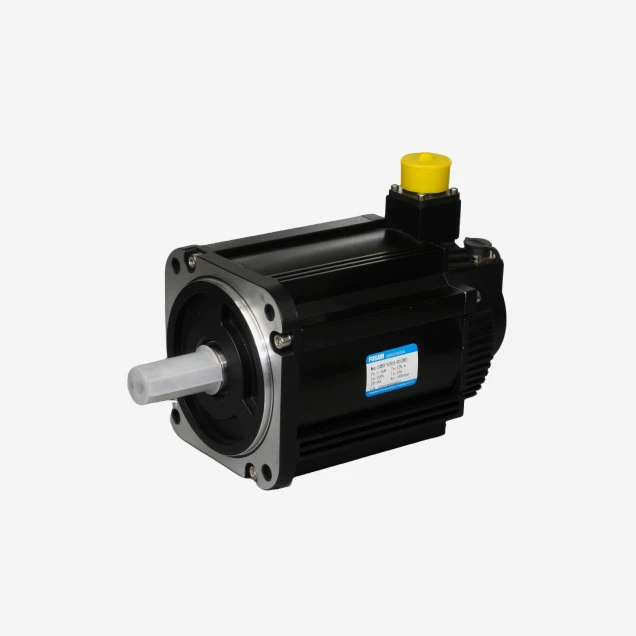
An AC servo motor is a permanent-magnet motor wrapped in a closed-loop control system. The encoder on the shaft reports actual position and speed; the servo drive compares that against the command and trims current every control cycle to keep the rotor on track. Because the loop never stops correcting, the motor holds torque across its full speed range and snaps back from a load disturbance — unlike an open-loop stepper, whose torque falls off as speed rises and which can lose steps under overload. The low rotor inertia of a servo is what gives it the fast acceleration and high top speed that demanding motion needs.
Servo Motor vs Stepper Motor
This is the question most buyers start with when comparing types of servo motor against stepper drives. Both position accurately; the split is speed, dynamics, and cost.
| AC Servo | Stepper |
|---|
| Control | Closed loop, always | Open loop (or closed with encoder) |
| Top speed | High (2000–3000 rpm) | Low to mid |
| Torque at speed | Held across range | Drops off |
| Holding torque at rest | Lower | High |
| Dynamic response | Fast | Moderate |
| Cost | Higher | Lower |
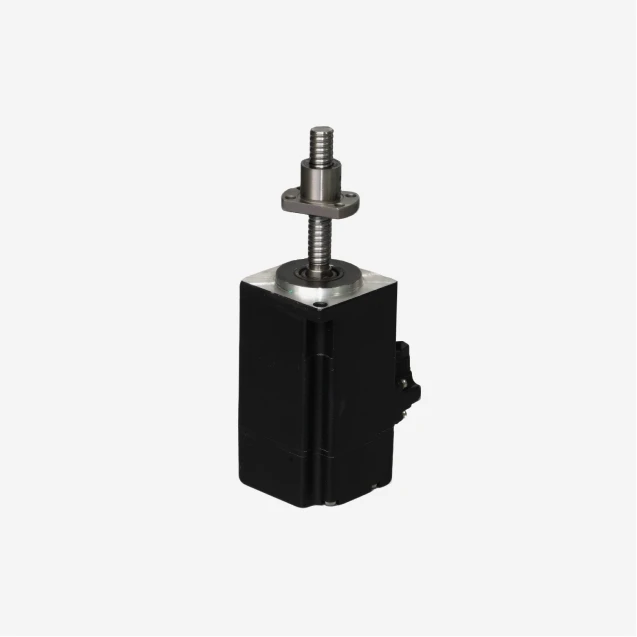
Use a servo when speed, throughput, or dynamic response leads. Use a stepper for steady, low-speed positioning on a budget. The middle ground — anti-lost-step reliability without full servo cost — is the closed loop stepper.
The Encoder and the Drive
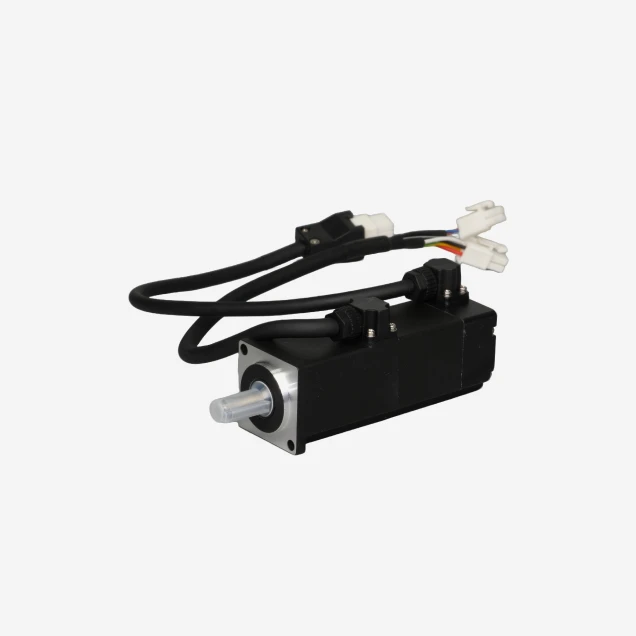
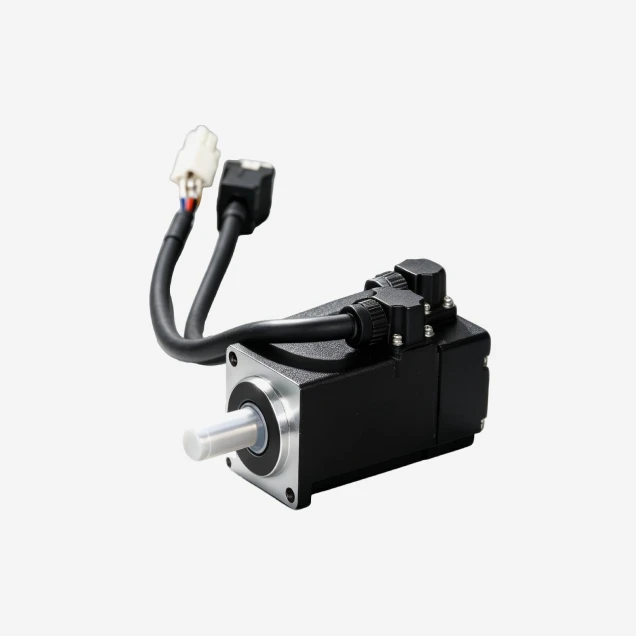
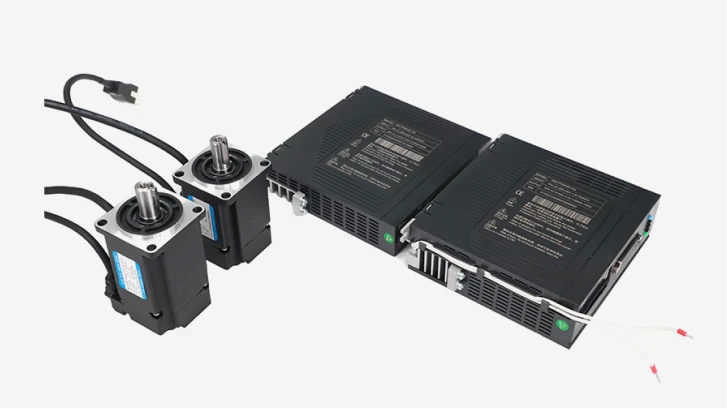
A servo motor is only half the system; the drive and encoder make it work. We supply all three matched. The encoder sets the feedback resolution: a 2500-line incremental encoder suits most positioning, while a 17-bit absolute encoder remembers position through a power cut, so the machine doesn't need to home on restart. The drive runs position, speed, or torque mode and connects by pulse/direction or by bus (RS485, CANopen, EtherCAT) depending on the model. Because we tune the pair before shipping, commutation, gain, and inertia matching are already set.
Power and Flange Sizes
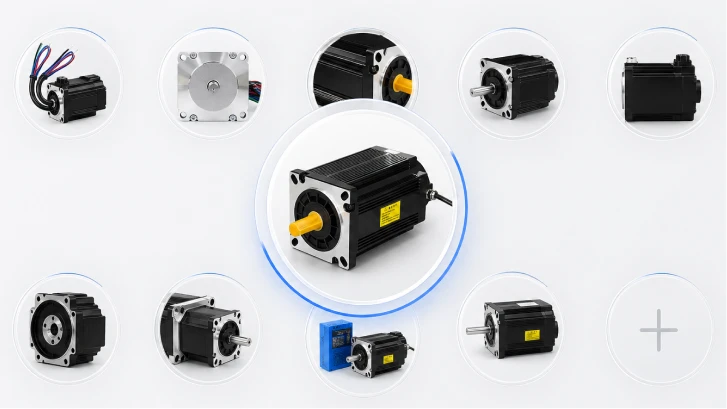
Flange size and power scale together. Pick the frame that delivers the torque your axis needs at its running speed:
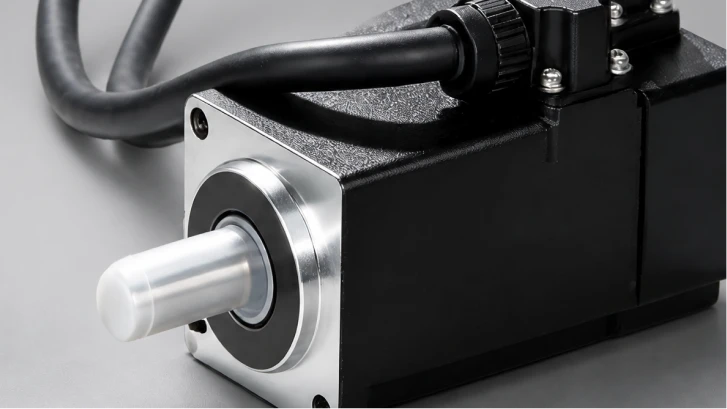
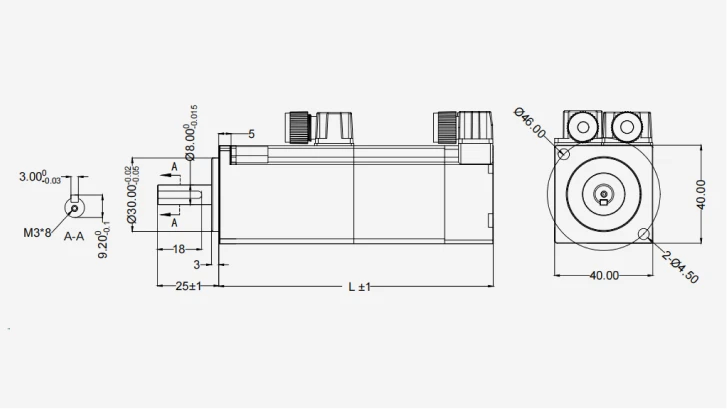
- 40mm — 100 W, compact and low-voltage axes.
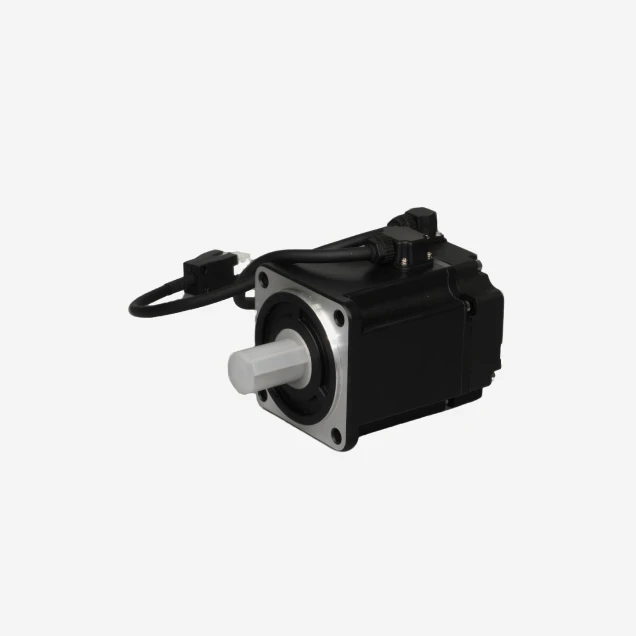
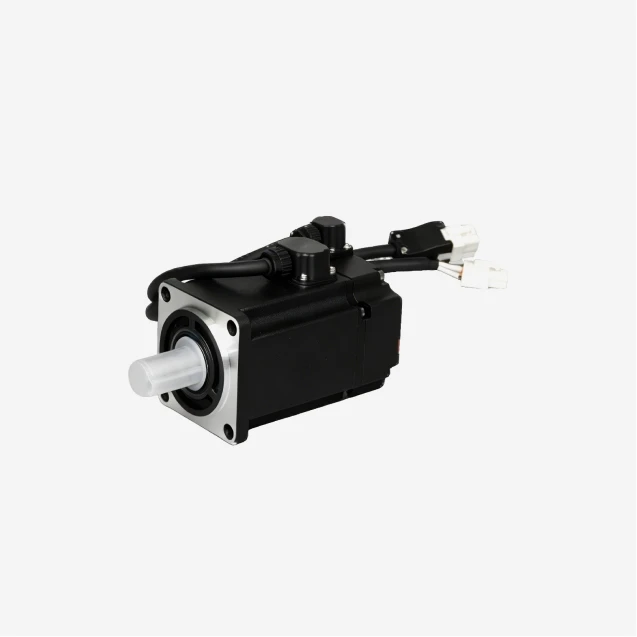
- 60mm — 0.2 to 0.6 kW, light automation, small machines.
- 80mm — 0.75 to 1.0 kW, mid-size handling and feed axes.
- 110mm — 1.2 to 1.8 kW, high-inertia CNC and automation.
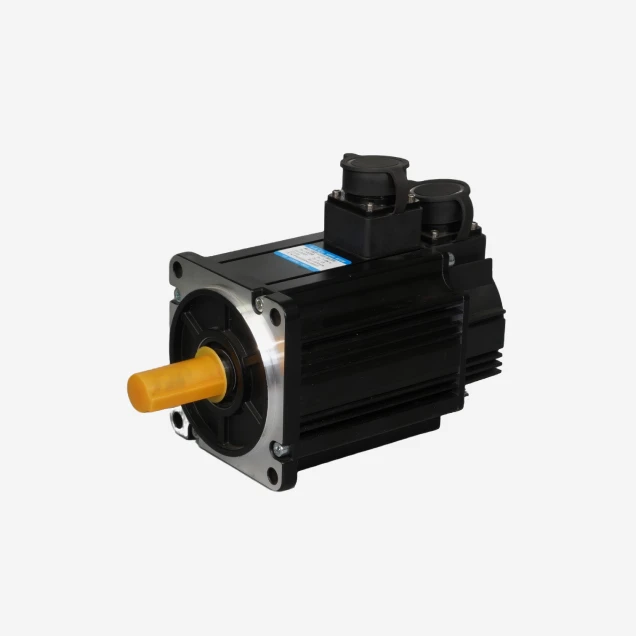
- 130mm — 0.85 to 3.8 kW, 220V and 380V, high-inertia machine-tool axes.
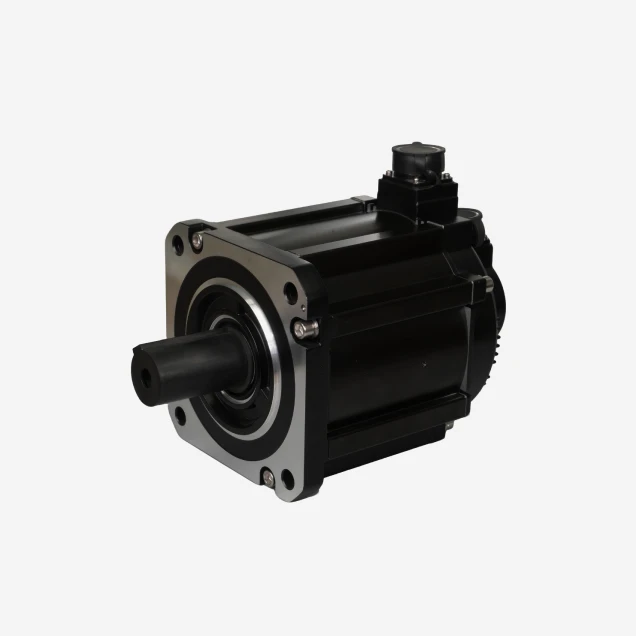
- 180mm — 2.9 to 7.5 kW, up to 47.7 N·m: our high torque servo motor frame.
How to Size a Servo Motor
Servo motor sizing comes down to four things, and getting them right is what keeps a servo from overheating or stalling:
- Continuous and peak torque: the axis has to stay inside continuous torque in steady running, with peak torque covering acceleration.
- Speed: confirm the motor delivers the needed torque at the running speed, not just at standstill.
- Inertia match: keep the load-to-rotor inertia ratio in a workable range so the loop stays stable.
- Duty cycle: check RMS torque over the move profile so the motor runs cool.
Send us the load inertia, the move profile, and the axis speed, and our engineers confirm the frame, power, and drive before you order.
Where AC Servo Motors Are Used
The speed and dynamic response make these motors a fit for robot joints, CNC machine-tool spindles and feed axes, high-speed handling and packaging lines, and AGV and automated-vehicle drives. Smaller frames (40–80mm) drive light, fast axes; larger frames (130–180mm) take the high-torque, high-power axes in machine tools and heavy automation.